
New species of tilcayo cat described in Bolivia — Mongabay
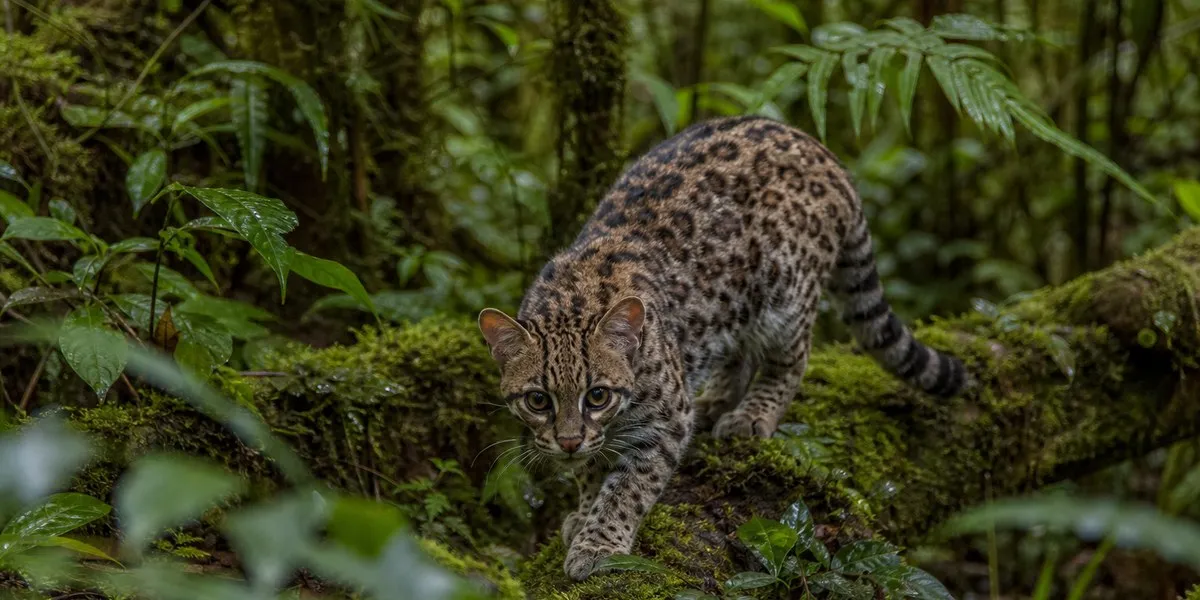
Scientists have described a new species of wild cat in the Yungas cloud forests of Bolivia — the tilcayo (Leopardus tilcayo). It is a small spotted cat that, according to genetic data, split from other tiger cats about 1.4 million years ago. As Mongabay reports, the tilcayo became the first extant feline species in more than a century that had not previously been formally described by science.
Classification review
The discovery comes amid a revision of the taxonomy of small wild cats in the Neotropics. Brazilian biologist and co-chair of the IUCN Species Survival Commission Cat Specialist Group Tadeu Gomes de Oliveira said that the number of recognized tiger cat species could increase from three to six or even seven.
Currently, the official IUCN website lists two species in this group, while the Cat Specialist Group has already recognized three, including Leopardus pardinoides, which was accepted in 2024. According to Oliveira, new genetic studies indicate the possible existence of three more species, including a population from Guyana. He also considers that a population from northwestern Argentina may be a separate species, although further research is needed.
More current news is available on the UA.News Telegram channel Telegram.
Implications for conservation
Oliveira emphasized that taxonomic changes have practical significance for animal protection. He estimates the population of the munoai pampas cat at no more than 200 individuals. The scientist believes that official recognition of munoai as a separate species could open the way for targeted conservation measures and funding.
According to him, munoai depends on specific grassland habitats maintained by grazing. Suitable areas are often located along highways, where Brazilian law requires strips of native vegetation to be preserved. At the same time, proximity to roads increases the risk of animals being killed by vehicles. Researchers identified 19 adult munoai and two kittens; the presence of kittens indicates that the population is reproducing.




