
Brussels hearings conclude in case over possible import of 45 tonnes of cocaine — The Guardian
Hearings have concluded in Brussels, Belgium, in the Bressers-Carvalho case, involving 31 defendants. Prosecutors believe that the organisation allegedly led by Belgian national Flor Bressers and Brazilian national Sergio Roberto de Carvalho may have transported up to 45 tonnes of cocaine to Europe, The Guardian reports.
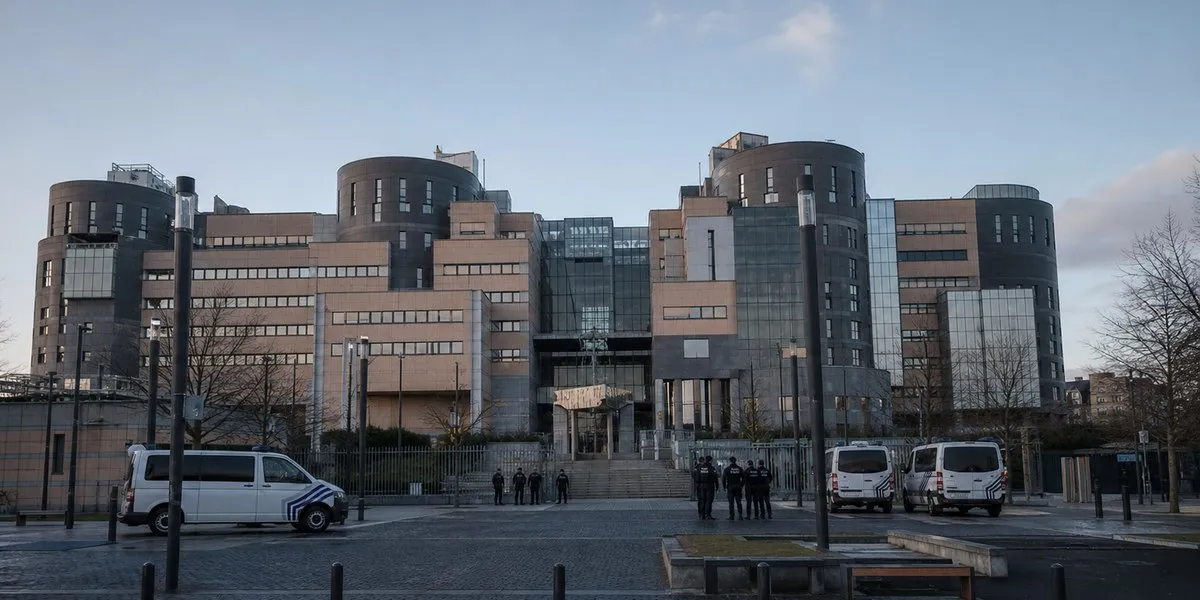
The hearings were held at the Justitia court complex in the Haren district in the northeast of the Belgian capital under heightened security measures. The defendants were guarded by masked law enforcement officers, and the courtroom was divided by bulletproof glass.
Charges against the defendants
The 40-year-old Bressers was charged with kidnapping, unlawful deprivation of liberty, extortion involving firearms and leading a criminal organisation. In 2020, he was convicted in a case involving the kidnapping of a Dutch drug trafficker who, according to the source, was beaten, threatened with death and injured with a blade over a missing shipment of cocaine. After that, Bressers spent two years in hiding.
The 68-year-old Carvalho, known in Europe by the nickname “the Brazilian Escobar”, was detained in Budapest on 21 June 2022 during an operation involving Interpol, Europol, Brazil’s federal police and the United States Drug Enforcement Administration. According to investigators, he had used at least 10 false identities before his arrest. In June 2023, Carvalho was extradited to Belgium.
More current news is available on the UA.News Telegram channel Telegram.
Investigators’ version and the defence’s position
According to Brazilian court documents, Carvalho led a group that bought cocaine produced in Peru and Bolivia and transported it through Brazil to the ports of Paranaguá and Natal for onward shipment to Europe. Prosecutors also said that proceeds from the operations may have been laundered through front companies, cryptocurrencies, financial markets and real estate.
Bressers denied all charges and described the case as a campaign against him. Carvalho also declared his innocence and claimed that the crimes had allegedly been committed by his namesake. Bressers’ defence challenges the admissibility of the evidence and is seeking the dismissal of the case. A verdict is expected on 15 December: Bressers could face up to 20 years in prison, while Carvalho could face up to 15 years.
Latin American networks in Europe
Europol’s head of serious and organised crime, Andy Kraag, said that Latin American criminal groups are operating increasingly actively in Europe and providing specialised services related to cocaine production and processing. Sociologist Gabriel Feltran described cooperation between Latin American cartels and European groups as joint ventures seeking to control the entire drug supply chain, from production to sale.




