
Ebola spreads to a new health zone in DR Congo — Al Jazeera
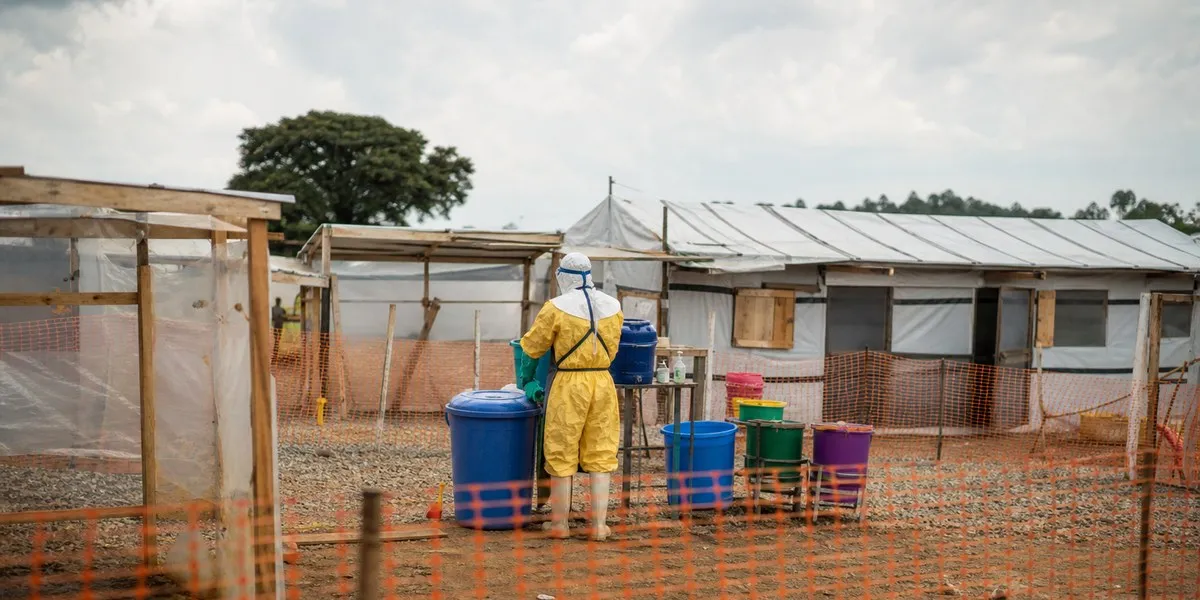
In the Democratic Republic of the Congo, Ebola cases were recorded for the first time in the Alimbongo health zone in North Kivu province. As of October 6, four infections had been confirmed there, and two people had died. The outbreak is caused by the Bundibugyo virus, one of the types of Ebola virus.
As Al Jazeera reports, cases of the disease have been registered in 64 health zones across seven provinces of the DRC. The highest total number of cases was recorded in Ituri, while the share of newly confirmed infections in North Kivu is growing. According to the WHO, as of October 6, 8,728 cases and 4,205 deaths had been confirmed in the country, while another 2,269 people had recovered. The overall case fatality rate was 48.2%.
First imported case in Kenya
On October 6, Kenya confirmed its first imported case of disease caused by the Bundibugyo virus. A Kenyan citizen who lived in the DRC fell ill there and sought care at several medical facilities before later arriving in Kenya via Uganda. He traveled by road to Kampala and then flew to Nairobi on October 3.
More current news is available on the UA.News Telegram channel Telegram.
The patient was isolated in a hospital, and a test confirmed the infection. Despite supportive treatment, he died on October 5. Kenyan authorities identified 28 contacts, including family members and healthcare workers, while the WHO reported tracing the passengers and crew of the flight to Nairobi. According to the governor of Wajir County, a preliminary laboratory result for a suspected second case on October 8 was negative.
Shortage of places in treatment centers
In an update dated October 5, Médecins Sans Frontières reported that North Kivu accounted for nearly 40% of new confirmed cases in the country, compared with 24% at the end of August. As of September 28, 34% of confirmed patients were being treated in non-specialized medical facilities due to a shortage of beds in specialized centers and delays in diagnosis.
The WHO also noted that as of October 4, response teams were monitoring 23,741 of the 29,535 identified contacts — 80.4%, below the target of at least 85%. Security problems, misinformation, and distrust of medical teams among some residents complicate anti-epidemic measures. According to the WHO, there are currently no approved vaccines or specific treatments for disease caused by the Bundibugyo virus.




