
Dubai plans second Etihad Rail station with transfer to Gold Line
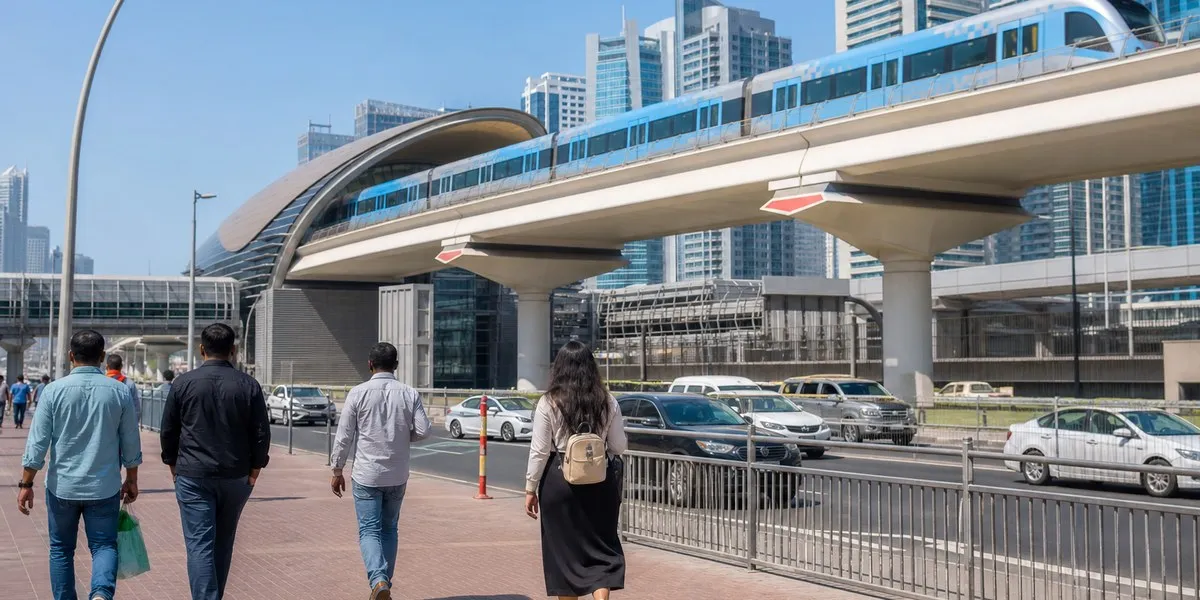
Dubai, UAE, plans to open a second passenger station on the national Etihad Rail network. It is to be located in the Meydan area and integrated with a station on the future Gold Line metro route, The National reports.
The project was confirmed by Abdul Muhsen Kalbat, CEO of the Rail Agency and a board member of Dubai’s Roads and Transport Authority. According to him, Etihad Rail also has a plan to build a high-speed railway between Abu Dhabi and Dubai. The implementation timeline and the exact location of the station in Meydan are not yet known.
Integration with urban transport
The new station is planned to be connected not only to the metro but also to buses, cycling infrastructure and pedestrian routes. Kalbat said that such integration is intended to provide passengers with convenient transfers between different modes of transport.
He also said that the integration of Etihad Rail with the Nol transport card system is ready for implementation. This is expected to make it easier for passengers to transfer between the railway and the urban transport network.
More current news is available on the UA.News Telegram channel Telegram.
New metro lines
According to Kalbat, the Blue Line is currently 24% complete. The line is scheduled to open on September 9, 2029. The Gold Line, he said, is to begin operating on September 9, 2032, and increase the Dubai Metro network by 82%.
The tender for the construction of the Gold Line is planned to be announced by the end of the year, with the winner to be selected by the end of next year. Construction is then expected to begin.
Separately, the RTA announced a tender to appoint an international consultant to study the Airport Express Line and the extension of the Red Line to Al Maktoum International Airport. The Airport Express Line will be 55 kilometres long and have five stations, and is also intended to connect Dubai International Airport with Al Maktoum Airport. Before work begins, the project will require several years of studies to integrate it with other transport systems.


