
Jerusalem Post describes Israel’s political divide ahead of elections
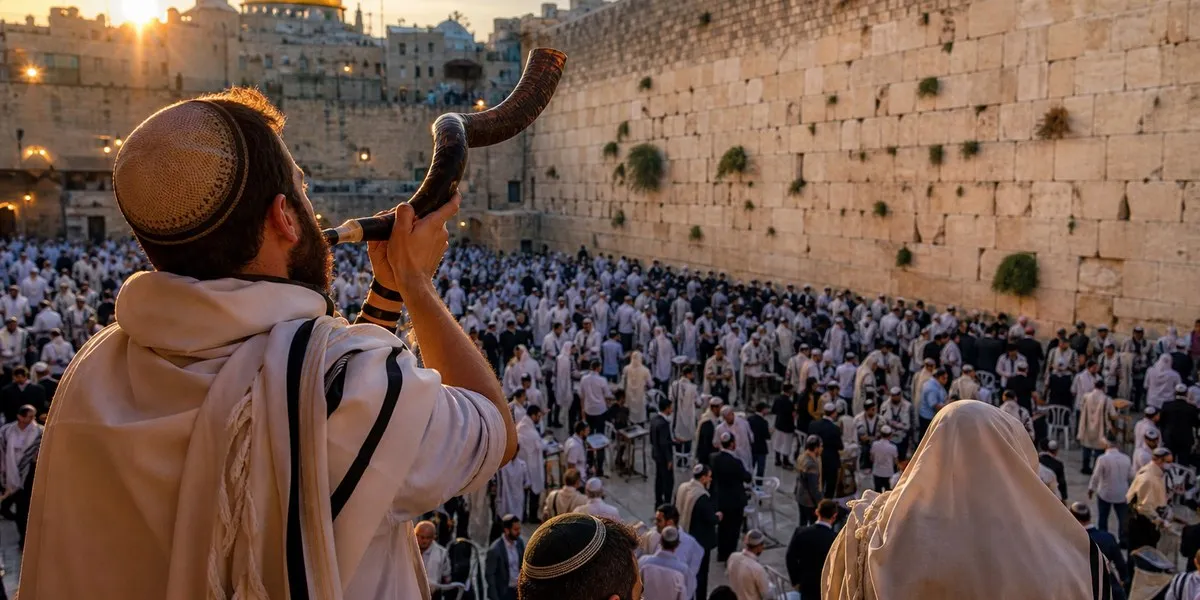
In Israel, on the eve of Rosh Hashanah and general elections, the political divide between supporters of the incumbent right-wing religious coalition and the opposition is shaping differing visions of the country’s future. Susan Hattis Rolef writes about this in a column for the Jerusalem Post.
The author notes that the personal greeting “Shana Tova” — “a good year” — usually means health, prosperity, happiness and quality education for children. At the same time, in politics, this wish has different meanings for the two camps within Israel’s Jewish population, in her view.
Views of coalition supporters
According to Rolef’s description, supporters of the current governing bloc led by Prime Minister Benjamin Netanyahu support preserving the right-wing religious coalition. This camp, the columnist writes, tends to reject a negotiated settlement of issues that she links to the war on seven fronts over the past three years.
The author also includes support for a large-scale judicial reform and strengthening the religious character of the state among this bloc’s positions. In her assessment, some coalition supporters consider the participation of an Arab party in a government that the current opposition could form to be dangerous to Israel’s security.
More current news is available on the UA.News Telegram channel Telegram.
The opposition camp’s position
The other political camp, in the columnist’s assessment, considers removing the current government and Netanyahu a priority. Its supporters, she says, criticize the authorities’ performance in healthcare, education, the economy, foreign policy, justice, transport and the environment.
This part of society, as Rolef describes it, is convinced that the use of military force must be accompanied by diplomacy and clear political goals. Claims that the government’s actions are corrupt or illegal, as well as assessments of the state of Israeli democracy, are the position of the author and the opposition bloc she describes.
Risk of political deadlock
Rolef suggests that neither bloc may gain a decisive advantage. According to the forecast cited in the column, Arab parties may win from 13 to 15 seats in the Knesset. In her view, a grand coalition is unlikely because of the opposition’s distrust of Netanyahu and the difficulty of reaching an agreement on rotating the prime minister’s post.
In conclusion, the author calls for focusing on personal wishes for a good year, particularly for people who have suffered physical or psychological injuries over the past three years and for those who lost loved ones on October 7, among hostages in the Gaza Strip or during hostilities.




