
Moldova Issues Warning About New Cyberattacks Following a Data Breach
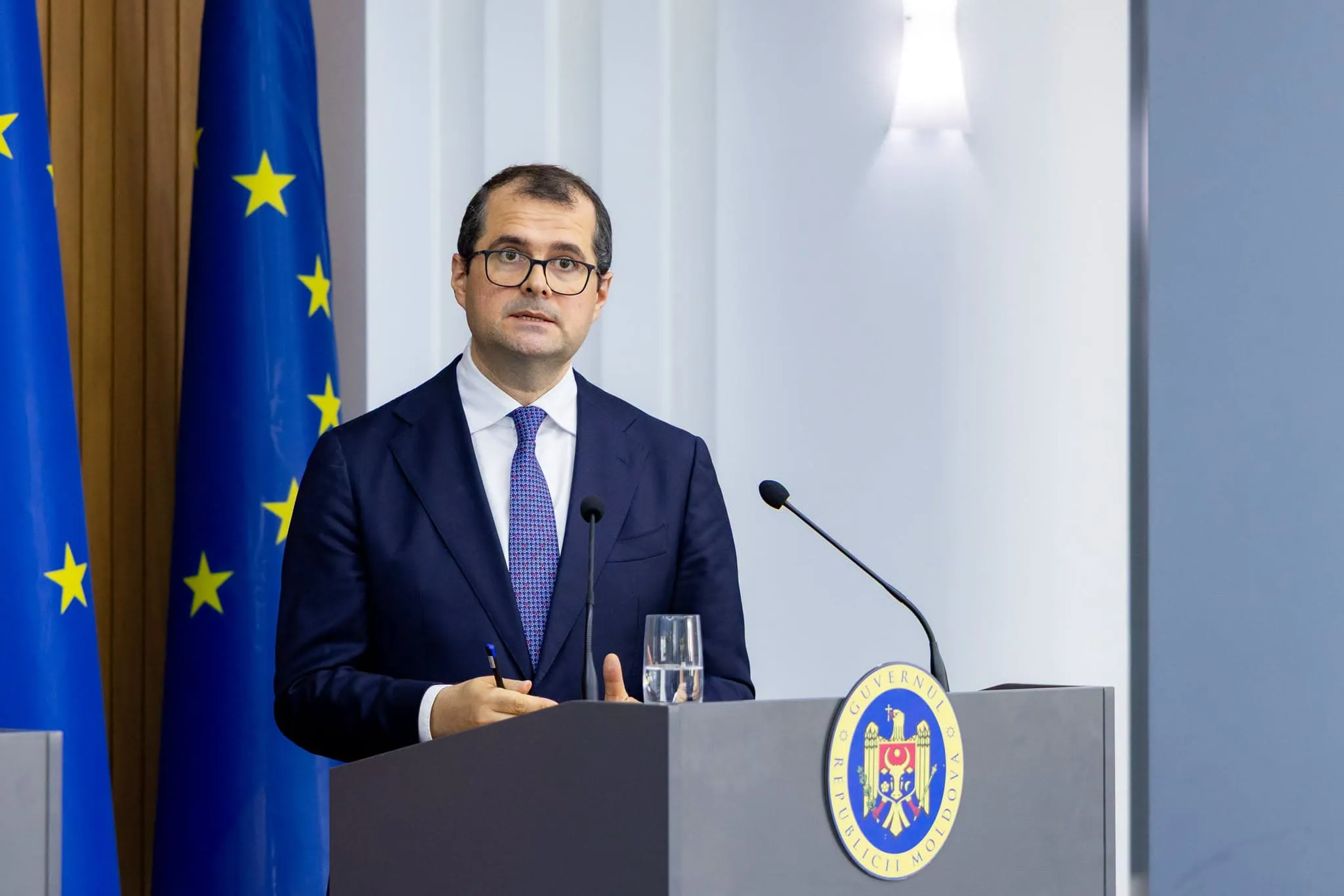
In Moldova, the personal data of approximately 750,000 people may have been stolen following a cyberattack on government digital services. Prime Minister Vasile Tofan stated that such attacks may become increasingly frequent, so the country needs to strengthen its cybersecurity and invest more in the security of government systems. Some online services remain unavailable—they will be restored only after an audit.
The cyberattack on Moldova’s government digital services was detected on the night of October 22. According to the country’s e-Government Agency, the attackers attempted to gain access to citizens’ personal data. During the attack, the systems recorded approximately 11 million requests to government services. Experts noticed unusual activity and decided to temporarily shut down services that might be at risk. The attack continued until October 23, when it was successfully stopped. Law enforcement agencies and the National Center for Personal Data Protection have been involved in the investigation.
According to preliminary data, the attackers may have obtained information on approximately 750,000 people. Meanwhile, authorities are continuing their investigation to determine all the circumstances of the incident.
What is known about the stolen data
This involves personal information stored in government systems. According to Moldovan media reports, the potentially compromised data may include names, dates of birth, family information, social benefits, driver’s licenses, vehicles, companies, and bank accounts in IBAN format.
Authorities have also warned of possible fraud attempts. Fraudsters may call citizens or contact them via email on behalf of government agencies, banks, or other organizations. To gain trust, they may mention a person’s name or personal identification number.
Therefore, citizens are urged not to share passwords, verification codes, or other confidential information with strangers. You should also avoid clicking on suspicious links or confirming financial transactions at the request of unknown individuals. Even if the person you’re speaking with knows your personal information, that doesn’t necessarily mean they actually represent a government agency or bank.
Why Some Government Services Are Still Down
Following the attack, Moldovan experts began auditing government digital platforms and addressing identified vulnerabilities. In total, they audited approximately 82 services. Some of the issues have already been resolved, but certain platforms remain temporarily unavailable. Prime Minister Vasile Tofan explained that the government will not rush to restore all systems. First, experts must ensure that the services are sufficiently secure and can be used safely.
According to the head of government, protecting citizens’ personal data remains one of the government’s top priorities. He emphasized that this requires strengthening digital security and investing in the protection of critical infrastructure.
Tofan warned that cyberattacks could become more frequent
Following the incident, the prime minister stated that the country must be prepared for new attacks. In his view, cyber threats will not disappear and may become even more serious as technology advances. “We live in an era when such incidents are becoming—and will continue to become—more and more frequent. This is a reality we cannot ignore,” Tofan noted. He also drew attention to the development of artificial intelligence. According to the prime minister, modern algorithms can detect vulnerabilities in software that are difficult for humans to spot. These capabilities can be used both to strengthen cybersecurity and to identify weaknesses in digital systems.
Tofan added that cybersecurity remains a critical issue not only for Moldova but also for European Union countries. Therefore, the government must continuously improve the protection of state systems and prepare for new threats. “We will continue to pay special attention to protecting citizens’ data and preventing similar incidents in the future. To do this, we must invest in our security, particularly in cybersecurity,” the prime minister emphasized.
The investigation into the cyberattack is ongoing. Moldovan authorities continue to audit government systems, and some digital services will be restored only after the necessary security measures have been completed. This was reported by the Moldovan e-Government Agency and local media.
Moldovan authorities have launched an investigation into the operations of the “Yandex Go” taxi service due to the possible transfer of Moldovan users’ personal data to servers in Russia and alleged tax evasion.
Lithuanian Prime Minister Mindaugas Sinkevičius stated that to protect democratic elections from Russian interference, allies should ask Ukrainian President Volodymyr Zelenskyy to strike more data centers on Russian territory. The head of the Lithuanian government emphasized that only decisive action—not mere declarations—can deter the aggressor.
Ukrainian President Volodymyr Zelenskyy stated that following Ukrainian strikes on data centers belonging to the Russian company Yandex, there has been a decrease in bots, provocations, and hostility on social media. According to him, users of many platforms have noticed these changes.




