
Plankton diversity in Britain’s seas projected to decline by 2050 — The Guardian
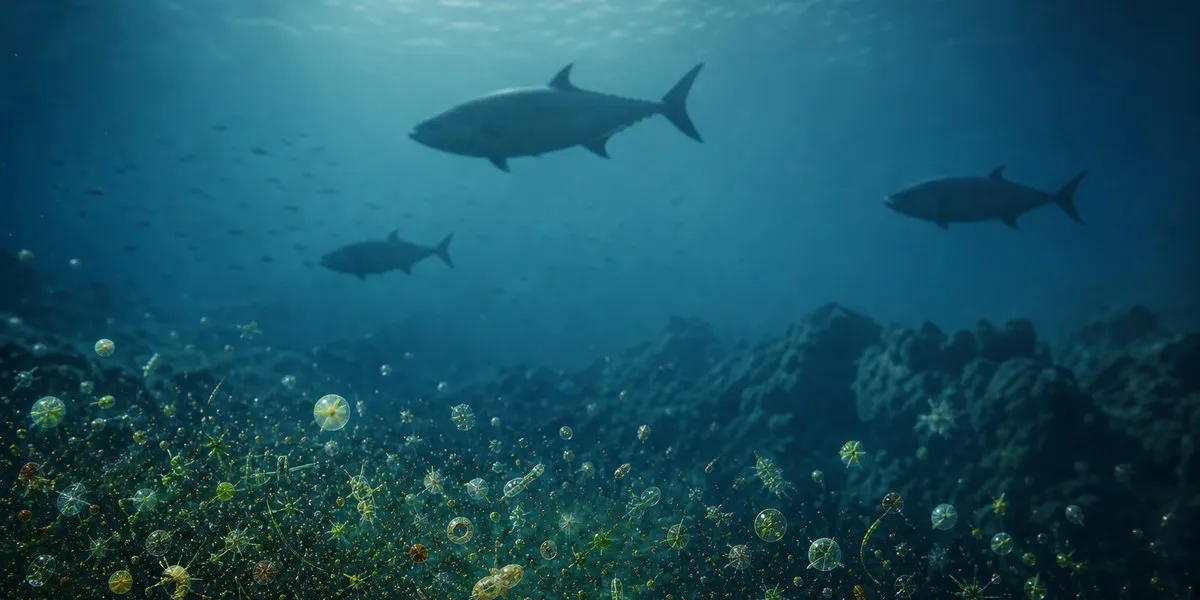
Warming seas around the British Isles and in the north-eastern Atlantic could destabilize marine food chains, weaken the health and resilience of ocean ecosystems, and threaten food security by 2050. These are the conclusions of the authors of a four-year study, as reported by The Guardian.
Uneven changes in food chains
Researchers assessed the impact of climate change on four key groups of marine organisms in UK waters and the broader north-eastern Atlantic region, including areas near Ireland and France. Under a scenario of 3°C warming by 2100, the diversity of fish and bottom-dwelling invertebrates could increase by about 12% by the middle of the century.
At the same time, phytoplankton diversity is projected to decline by about 3%, and zooplankton diversity by 7% by 2050. These groups are at lower levels of the food chain and are important for the functioning of marine ecosystems.
More current news is available on the UA.News Telegram channel Telegram.
Risk of an imbalance between predators and prey
Study co-author Elena Cus, a marine ecologist at the UK Centre for Environment, Fisheries and Aquaculture Science, said that warming does not affect the biodiversity of different groups equally. According to her, some groups higher up the food chain, including fish, may gain more species in parts of the north-eastern Atlantic, while key plankton groups will lose them.
The authors emphasize that an increase in predator diversity alongside a decline in prey diversity could disrupt food-web relationships. The study, published in the journal Science Advances, is based on long-term datasets and machine-learning methods. Its findings have already been submitted to a government review of marine protected areas, which is also considering fisheries management measures.




