
Nigeria calls for reviving traditional knowledge to protect the environment
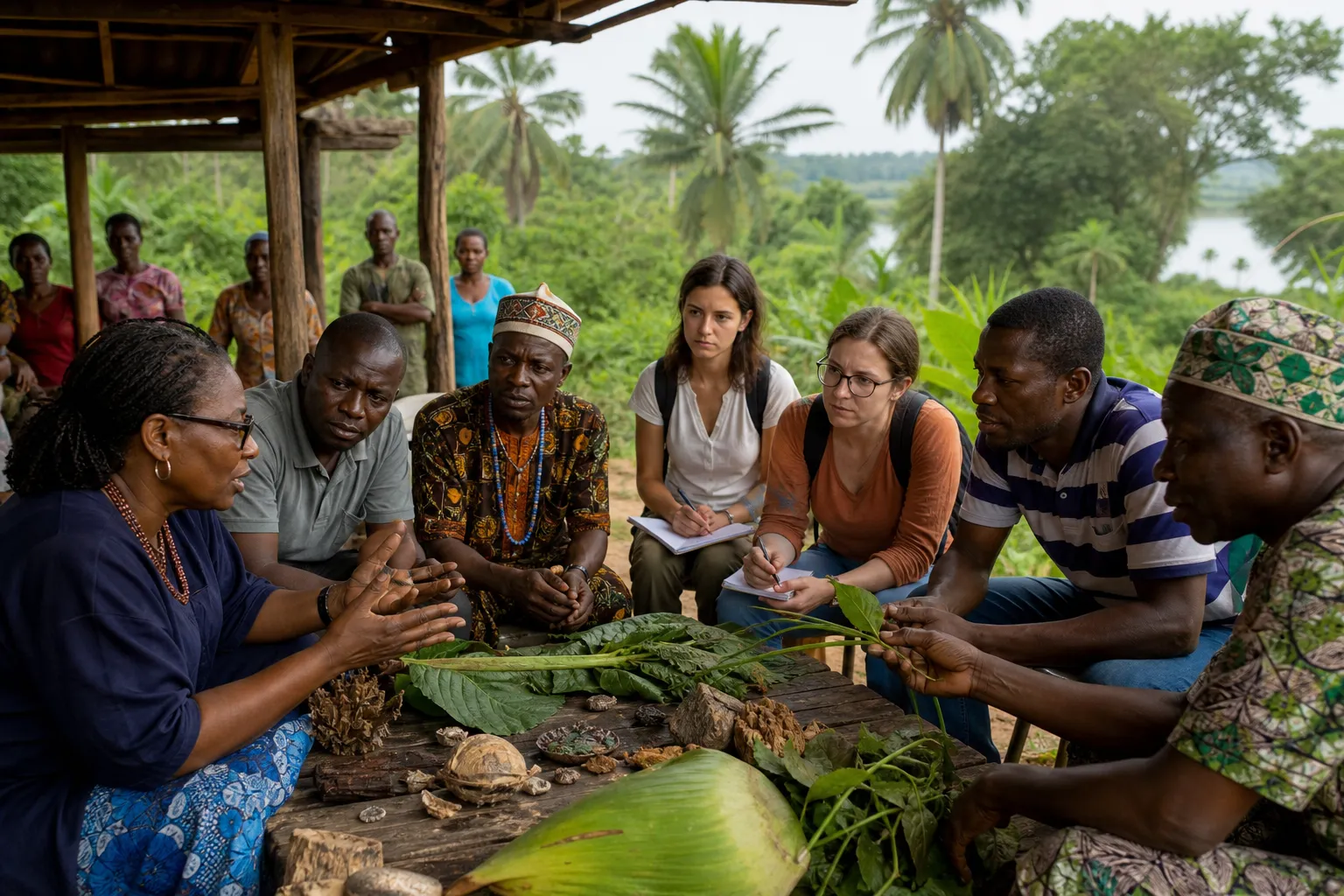
In Akwa Ibom State in Nigeria, environmentalists, scholars and community representatives called for preserving and reviving indigenous languages and traditional knowledge systems to address environmental problems. Participants in the Wisdom Gathering made the statement at the Eti Uwem ecological centre in Nkwot Ikot Nseeni, Ikono Local Government Area, Premium Times Nigeria reports.
The meeting was organised by the Health of Mother Earth Foundation (HOMEF). It focused on language and indigenous philosophical approaches as the basis for socio-ecological justice. Participants discussed how language, cultural practices and the transmission of knowledge between generations can affect society's attitude toward nature.
Criticism of environmental terms
HOMEF Director Nnimmo Bassey said that the environmental movement would not be able to overcome the current ecological crisis unless it reconsiders the language and knowledge systems that, in his view, support an exploitative attitude toward the environment. According to him, colonialism affected not only land and labour but also public perceptions of development, under which intensive exploitation of nature may be regarded as normal.
Bassey called for a critical assessment of widely used concepts, including the “green economy,” “global warming,” corporate social responsibility and “net zero.” He spoke against putting a monetary value on nature and suggested using the phrase “global burning” instead of “global warming,” believing that this would underscore the urgency of the ecological crisis.
More current news is available on the UA.News Telegram channel Telegram.
Traditional practices and ecological memory
Bassey explained that the name of the Eti Uwem centre means “good life” or “good living” in the Ibibio language. According to him, the concept implies harmony with nature, other people and other living beings, as well as respect, justice, solidarity and shared control over local resources.
University of Uyo professor Emmanuel Akpabio cited the concept of Abasi Isong, which translates as “God of the land.” He noted that this approach regards land as sacred and requiring protection. Akpabio also mentioned traditional practices under which certain forests and streams were protected from interference, and called for combining useful elements of local culture with modern conservation methods.
Participants discussed the importance of local names and words for preserving ecological memory. They mentioned the name Okoiyak, which was previously used for a fishing area before the locality became known as the Stubbs Creek Forest Reserve. They also discussed Ndon Uwem, land jointly owned by the community. Participants called for documenting such knowledge and passing it on to younger generations through books, folklore and family stories.


