
Poland has criticized the Lviv Regional Council's decision regarding the UPA
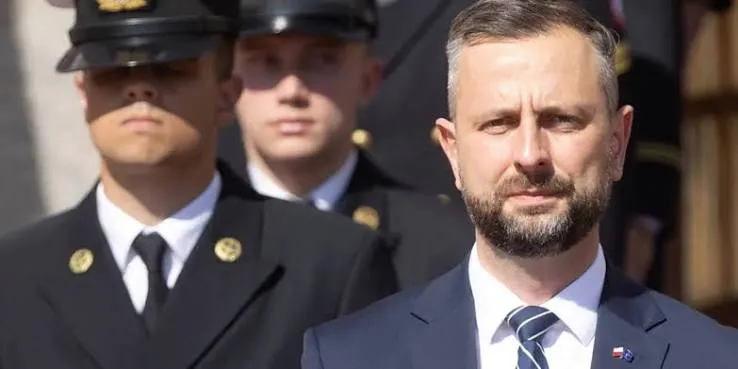
Polish Defense Minister Władysław Kosiniak-Kamysz criticized the decision by the Lviv Regional Council to declare 2027 the Year of the Ukrainian Insurgent Army (UPA) and Roman Shukhevych. He stated that this decision does not foster trust between Ukrainians and Poles, and called on the Ukrainian authorities to distance themselves from it. At the same time, the Lviv Regional Council explained the initiative by citing anniversary dates related to the history of the Ukrainian liberation movement.
Władysław Kosiniak-Kamysz posted his position on the social media platform X on the evening of October 20. He stated that honoring the UPA and Roman Shukhevych within the framework of a single year does not help improve relations between the two countries. “The decision by the Lviv Regional Council to declare 2027 the Year of the UPA and Shukhevych is unacceptable. Such a decision does not contribute to building mutual trust between the peoples; on the contrary, it deepens divisions. It is essential that the Ukrainian authorities distance themselves from this position,” the Polish minister wrote.
The Polish side links the activities of the UPA to the killings of Polish civilians during the Volhynia tragedy and other events of World War II. The historical assessment of these events remains one of the most sensitive issues in relations between Ukraine and Poland.
Why Did the Lviv Regional Council Choose 2027?
The Lviv Regional Council adopted the resolution to honor the UPA, Roman Shukhevych, and Oleg Olzhych on October 20 during a plenary session. Earlier, in July, this initiative was considered at a meeting of the relevant committee. The year 2027 will mark the 85th anniversary of the founding of the Ukrainian Insurgent Army. It will also mark the 120th anniversary of the births of Roman Shukhevych and Oleg Olzhych.
The Lviv Regional Council explained that it intends to use these dates to hold memorial, academic, cultural, and educational events. According to the deputies’ plan, these events are intended to shed light on the history of the Ukrainian liberation movement and its leaders.
In addition to declaring these thematic years, the regional council proposed asking the Lviv Regional Military Administration to organize events to counter disinformation. Among the proposals was the idea of establishing a center staffed by experts on Polish-Ukrainian relations.
How This Fits Into Ukraine-Poland Relations
These historical disputes are emerging against the backdrop of statements about improved cooperation between Kyiv and Warsaw. On October 17, Ukrainian President Volodymyr Zelenskyy thanked the Polish people for their support and emphasized that both countries must remain united in the face of the Russian threat. “It is very important for us to stand together right now. We have one enemy—Russia. And Russia is very concerned that Ukraine and Poland have a strong alliance. We must only strengthen our relations, regardless of any difficult decisions,” Zelenskyy stated.
At the same time, the issue of honoring the UPA has already led to public disputes between the countries. In late May 2026, Zelenskyy bestowed the honorary title “Named After the Heroes of the UPA” on the “North” Special Operations Center of the Ukrainian Armed Forces’ Special Operations Forces. This decision also drew criticism in Poland.
On June 19, Polish President Karol Nawrocki announced the decision to strip Zelenskyy of the Order of the White Eagle. He explained this by citing differences regarding historical memory and attitudes toward the Ukrainian Insurgent Army. Following this, Ukraine’s second president, Leonid Kuchma; third president, Viktor Yushchenko; former Foreign Minister Borys Tarasyuk; and a number of other Ukrainian public figures declined the Polish award.
A new statement by the Polish defense minister has once again drawn attention to these differences. At present, the reports cited do not include a response from the Ukrainian authorities to his call to distance themselves from the Lviv Regional Council’s decision. At the same time, the decision itself concerns the commemoration of historical figures and events at the regional level, while the Polish minister’s position is his assessment of this move. Kosiniak-Kamysz wrote about this on social media platform X on Tuesday evening.
The Soviet KGB attempted to prevent the commemoration of the founding of the Ukrainian Insurgent Army not only in the USSR but also abroad. This is evidenced by declassified documents from the archives of the Foreign Intelligence Service of Ukraine, which reveal methods used to monitor the Ukrainian diaspora and counter its commemorative events.




