
In the US, people with higher incomes eat fruits and vegetables more often — The Guardian
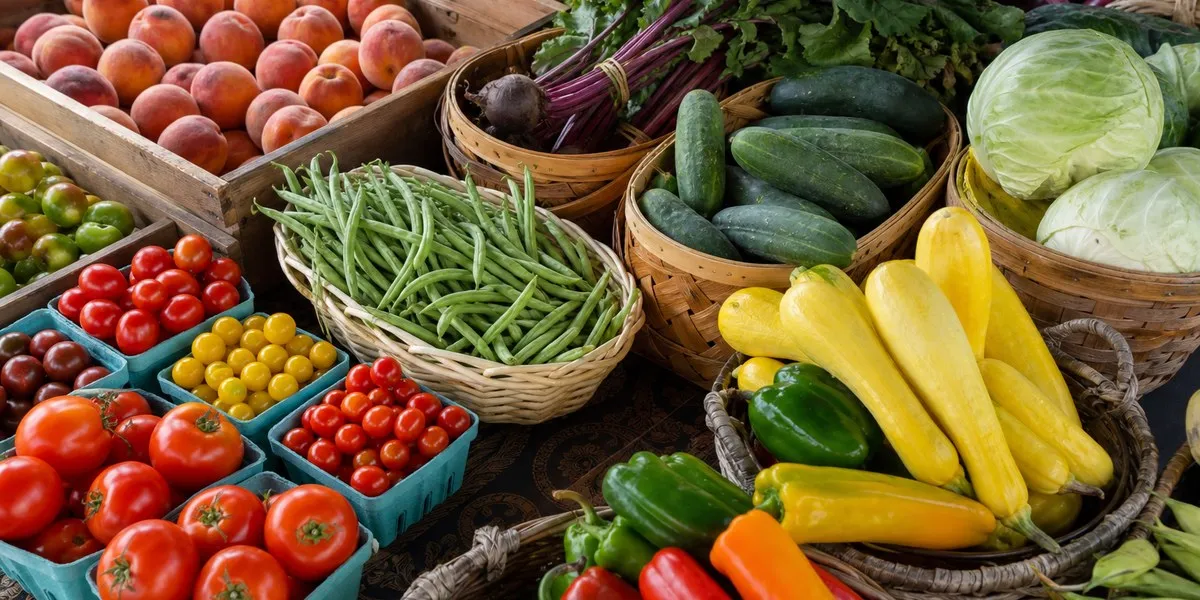
In the United States, adults with higher family incomes are more likely to consume fruits and vegetables, according to an information bulletin from the National Center for Health Statistics at the US Centers for Disease Control and Prevention. The Guardian reports.
The bulletin covered Americans aged 20 and older between August 2021 and 2023. More than nine in ten adults ate vegetables during the day, while about seven in ten ate fruit. At the same time, the share of people consuming different types of vegetables increased along with family income.
Difference between income groups
Some kind of fruit during the day was eaten by 56% of adults whose income was less than 130% of the federal poverty level. For one person, this corresponded to less than $20,748. Among those whose income was 350% of that figure, or $55,860 per year for one person, the share was 76%.
Berries, citrus fruits and melons were consumed by 38% of people in the higher-income group and 19.6% of those with the lowest incomes. A similar difference was recorded for vegetables: dark green vegetables were eaten by 29% of participants with the lowest incomes, compared with 42% in the highest-income group.
More current news is available on the UA.News Telegram channel Telegram.
Cost of the recommended diet
The article notes that people with fewer financial resources and limited time are more likely to spend money on calorie-dense foods with a long shelf life. Researchers at the University of Washington previously calculated that foods recommended by the US health agency cost an average of $15.82 per day.
At the same time, the average household receiving assistance under the SNAP program consists of two people and has $177 per month — about $3 per day per person. According to the article, 39% of SNAP assistance recipients are children.
According to an Associated Press analysis, the number of participants in food assistance programs in the United States declined by 13% between May 2025 and May 2026. The article links this, in particular, to changes in assistance rules and new documentation requirements.


