
German government approves draft tax on sugary drinks — The Local Germany
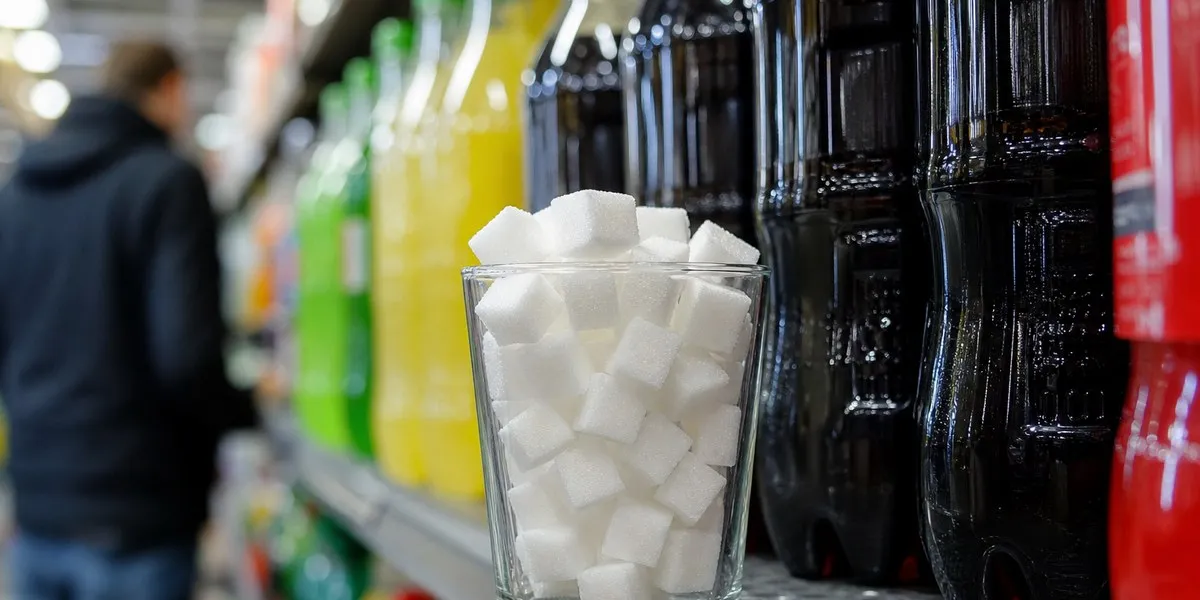
The German federal government has approved a draft law on a new tax on sugary drinks. Under the current plan, the levy could take effect on July 1, 2027, but the document must first complete the legislative process and be adopted by the Bundestag. This was reported by The Local Germany.
Tax rates
Under the agreed compromise, drinks containing at least 5 grams of sugar per 100 milliliters will be taxed at 26 cents per drink. A higher rate of 32 cents is envisaged for drinks containing 8 grams or more of sugar per 100 milliliters.
Small producers that make less than 1 million liters of sugary drinks per year will be exempt from the levy. The tax will apply to juices, carbonated drinks and other sweetened beverages.
Purpose of the initiative
Finance Minister Lars Klingbeil, who advocated introducing the new levy, believes that higher prices for drinks with high sugar content should encourage manufacturers to reduce its amount in their products and cut excessive sugar consumption, particularly among children.
More current news is available on the UA.News Telegram channel Telegram.
The federal government also expects to receive hundreds of millions of euros annually from the tax: projected revenue is estimated at about €690 million in 2027 and €925 million in 2028. The funds are planned to be used to maintain a stable level of contributions to the public health insurance system.
Controversy surrounding the draft
The approval of the draft law was preceded by weeks of public disputes within the coalition and intervention by the chancellor's office. Earlier, one of the Finance Ministry's drafts considered extending the levy to oat milk, ready-to-drink coffee beverages and drinks with artificial sweeteners, which drew criticism.
Ultimately, ministers abandoned the proposed additional higher tax tier and returned to a two-tier model. According to the publication, the tax was modeled on the British levy on sugary drinks, which has been in force since 2018.




