
Citizens of 18 African countries have been taken captive in Ukraine
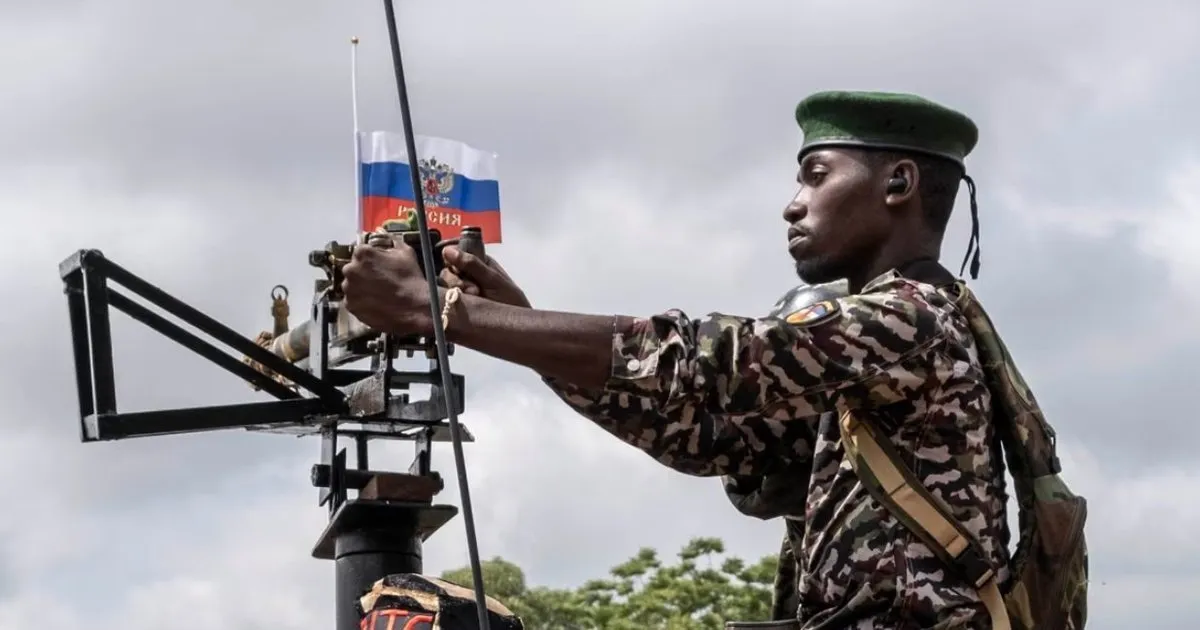
Citizens of African countries who fought on Russia’s side and were taken prisoner by Ukraine have appealed to participants at the “Russia–Africa” summit in Moscow. They are asking for help in returning home. According to the Coordination Headquarters for the Treatment of Prisoners of War, citizens of 18 African countries have been taken prisoner by Ukraine since the start of the full-scale invasion, but Russia has not yet returned a single foreign prisoner of war as part of a prisoner exchange.
Citizens of African countries who fought as part of the Russian army recorded a video appeal to the participants of the “Russia–Africa” summit. The event is scheduled for October 28–29 in Moscow. In their message, the prisoners of war called for help in returning to their home countries. The video was published by the Ukrainian government-backed project “I Want to Live,” which provides information on the options for surrendering and assists service members who wish to end their participation in the war. The Coordination Headquarters for the Treatment of Prisoners of War also reported on the message.
The focus is on the fates of foreigners who found themselves caught up in the war against Ukraine and are now being held captive. They hope that representatives of their countries will raise this issue during meetings with the Russian side. The summit could serve as a platform to discuss how to bring these people home. However, it is currently unknown whether the participants plan to officially raise the issue of African prisoners of war or whether Moscow is prepared to negotiate their return.
Citizens of 18 African countries are being held captive in Ukraine
According to the Coordination Headquarters, since the start of Russia’s full-scale invasion, citizens of 59 countries have been taken prisoner by Ukraine. Among them are representatives of 18 African nations. At the same time, according to the Ukrainian side, Russia has not returned a single foreign prisoner of war as part of prisoner exchanges. Therefore, the fate of citizens of other countries who fought on the side of the Russian army and were taken prisoner remains a separate issue.
The Ukrainian side emphasizes that Russia, by involving foreigners in combat operations, must bear responsibility for their fate. The Coordination Headquarters is calling on the governments of African countries to demand that Moscow take concrete steps to repatriate their citizens. This goes beyond the mere fact of recruitment. It is also important to determine under what circumstances the foreigners agreed to fight, what conditions they were promised, and whether they understood the risks of participating in the war. Without additional information about each prisoner, it cannot be asserted that they all ended up in the Russian army under identical circumstances.
Foreigners Are Warned About the Risks of Serving in the Russian Army
The Ukrainian project “I Want to Live” reminds citizens of other countries of the dangers of participating in the war on Russia’s side. Among the main risks are death, serious injury, and being taken prisoner. The project also warns that promises made by Russian recruiters do not guarantee safety or the ability to return home after service. “Participating in the war on the side of the Russian army carries the risk of death or serious injury. Russian promises do not eliminate these risks and do not guarantee a safe return home,” Ukrainian officials emphasize.
Foreigners who are being recruited to participate in hostilities against Ukraine are advised to contact the “I Want to Live” project. This also applies to those who have already joined the Russian army and wish to stop participating in the war. The Ukrainian side states that prisoners of war must be treated in accordance with the norms of international humanitarian law. At the same time, the decision to return prisoners to their home countries depends on relevant agreements between the parties and the progress of prisoner exchanges.
The summit could provide an opportunity to raise the issue of the prisoners’ return
The “Russia–Africa” summit, scheduled for October 28–29 in Moscow, could provide an opportunity for representatives of African states to raise the issue of their citizens held captive in Ukraine. The Coordination Headquarters is calling on the governments of these countries to demand concrete actions from Russia, rather than limiting themselves to general statements. According to the Ukrainian side, Moscow must explain how it plans to resolve the fate of the foreign nationals it has drawn into the war.
So far, there is no information on whether the prisoners’ appeal will lead to specific agreements. Their return will depend on further negotiations and decisions regarding the exchange of prisoners of war. This was reported by the Coordination Headquarters for the Treatment of Prisoners of War.
In its report, the UN General Assembly’s Independent International Commission of Inquiry on War Crimes in Ukraine accused Russian forces of crimes against humanity due to systematic attacks on the energy sector, and also classified the recruitment of foreign citizens into the Russian Armed Forces as human trafficking.
The UN Independent International Commission also concluded that systematic Russian attacks on Ukraine’s energy infrastructure constitute war crimes and crimes against humanity.
The Ukrainian Ministry of Foreign Affairs welcomed the presentation of the report by the UN Independent International Commission of Inquiry on violations in Ukraine. The document was presented to the Third Committee of the 81st session of the UN General Assembly. The Ministry of Foreign Affairs emphasized that the report’s findings are of particular importance as winter approaches.




