
Eight water companies in England receive low environmental ratings — The Guardian
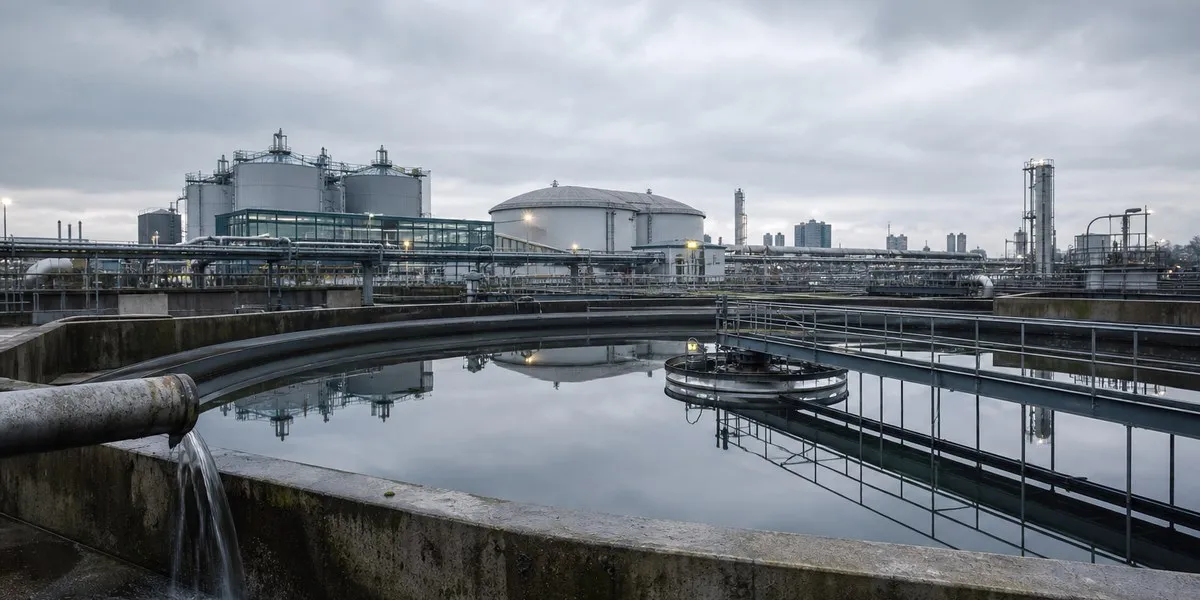
In England, United Kingdom, a joint report by regulators rated the environmental performance of eight of the nine major water companies as unsatisfactory or requiring improvement. Environment Minister Angela Eagle summoned industry executives to Whitehall following the publication of the document, The Guardian reports.
Declining ratings
The report was jointly prepared for the first time by the Environment Agency, the Drinking Water Inspectorate, Natural Resources Wales and the Ofwat regulator. The combined rating for the nine companies was 16 stars out of a possible 36, compared with 19 stars a year earlier. This is the lowest result since the rating system was introduced.
Regulators recorded 74 serious pollution incidents that caused significant environmental harm. This was only one incident fewer than in the previous year, despite billions in investment, bans on executive bonuses and public concern.
More current news is available on the UA.News Telegram channel Telegram.
Incidents and further measures
In total, 2,666 pollution incidents occurred in England in 2025, 40% more than in 2016. Thames Water recorded the highest number of such cases. It was followed by Anglian Water, United Utilities, Yorkshire Water and Southern Water in terms of incident numbers.
The Department for Environment, Food and Rural Affairs said that Eagle is preparing further steps and stricter consequences for executives at companies with poor performance. The planned measures include reducing water leaks, cutting the number of pollution incidents and increasing customer satisfaction. Rules that came into force last year block bonuses for executives at companies with a one-star rating.
Industry position
Industry association Water UK said that the report also recorded the lowest water leakage level in history and positive results in other indicators. At the same time, the association acknowledged that the environmental performance of some companies is insufficient. According to its data, more than half of last year's incidents were caused by blockages or vandalism, which are not under the direct control of water companies.




