
Abandoned fields during the Black Death linked to declining diversity — Live Science
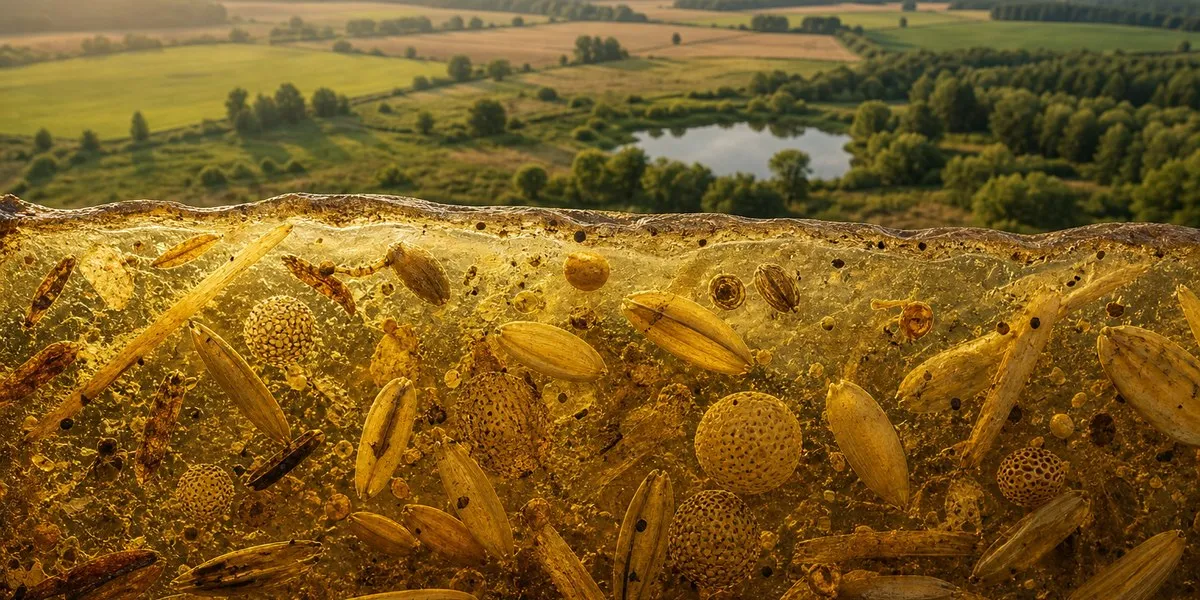
In Europe, the decline of agriculture after the Black Death was linked to a reduction in biodiversity in landscapes where land cultivation decreased. An analysis of pollen data showed that plant diversity in such areas declined by about 40%, Live Science reports.
Pollen revealed changes in land use
Researchers compared more than 100 European pollen records covering about 4,600 samples. The data came from areas ranging from the lowlands of France and the uplands of southwestern Great Britain to the Swiss Alps. The study was published on March 4 in the journal Ecology Letters.
Scientists used the presence of pollen from cereal crops, including wheat, barley and rye, as an indicator of historical land use. They divided the areas into three groups: those where agricultural production increased, those where it declined, and those with no evidence of cereal cultivation.
According to the study’s first author, University of York paleoecologist Jonathan Gordon, the overall decline in biodiversity was driven primarily by landscapes with declining agricultural production. About 150 years later, when the population began to recover and human intervention in the landscape intensified again, diversity rose to a level somewhat higher than before.
More current news is available on the UA.News Telegram channel Telegram.
The role of mosaic landscapes
In the 14th century, the Black Death — an epidemic of bubonic plague caused by the bacterium Yersinia pestis — claimed the lives of more than one-third of Europe’s population. Due to mass mortality and social upheaval, significant areas of farmland were left uncultivated, and the population began to recover only in the 16th century.
Gordon and experts interviewed by the publication link higher diversity to the mosaic character of historical agricultural landscapes. Alongside fields, they retained old woodland patches, heathlands, ponds and secondary forests, creating more habitats for different plant species.
Modern farming often relies on monocultures, in which one type of crop is grown over large areas. Researchers note that studying historical land-use practices may help explain how to combine land use with the preservation of diversity and ecosystem functions.




