
Ukrainian drones may have received an Israeli alternative to Starlink – Yle
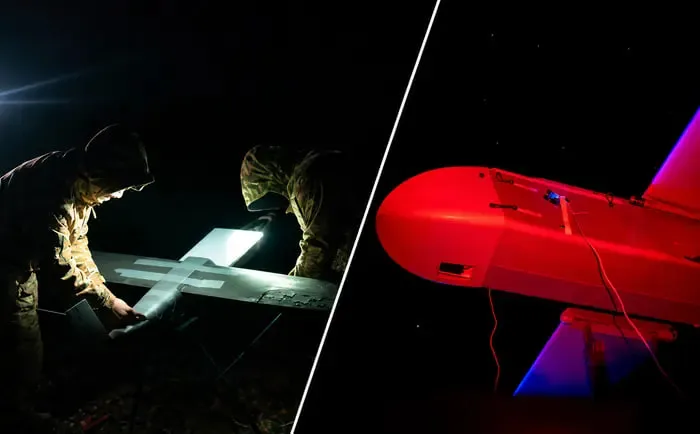
Finnish journalists speculate that the effectiveness of Ukraine’s long-range strikes may be linked to the use of the Israeli HiSky communications system. It allows operators to maintain communication with drones during flight and remotely change their missions.
Ukraine may have begun using the Israeli HiSky satellite system to control long-range drones during attacks on Russian territory. The technology potentially allows operators to maintain two-way communication with the drones, adjust their routes, and change targets even after launch.
According to journalists, since late October, Russian military media outlets have begun reporting the discovery of HiSky system components among the wreckage of downed Ukrainian drones. It was these reports that led to speculation that Ukraine was using a new satellite communication channel.
The Israeli HiSky system can provide communication coverage across a significant portion of Russia’s European territory. Unlike Starlink, whose operation for the Ukrainian military is limited to specific geographic zones, this technology potentially allows for maintaining contact with drones at greater distances from the Ukrainian border.
One of the system’s main advantages is the ability to exchange information bidirectionally. This means that operators can receive data on the results of strikes and, if necessary, change the missions of other drones that are still in the air.
For example, if the first group of drones successfully strikes a designated target, the other drones can potentially be redirected to alternative targets. This would help avoid repeated strikes on infrastructure that has already been damaged.
In addition, in-flight communication with drones can help adjust routes in response to changing conditions, particularly the emergence of new threats from Russian air defenses.
Previously, a significant portion of long-range drones carried out missions along predefined routes and coordinates. The ability to intervene in their flight in real time expands the range of applications for such systems.
At the same time, the Ukrainian military command has neither officially confirmed nor denied the use of HiSky. Therefore, reports of its installation on Ukrainian drones remain unconfirmed, and the link between this technology and the success of recent attacks is purely speculative.
This is reported with reference to the Finnish publication Yle.
As a reminder, Ukraine is developing its own Starlink: how OBRIA will work and how much the satellite network will cost




