
Electric vehicle sales have risen in Australia: maintenance costs could be 40% lower
Australia’s electric vehicle fleet has reached approximately 650,000 vehicles, and in the June quarter, the country recorded its largest quarterly increase in sales of such vehicles. Since the beginning of the year, electric vehicles have accounted for 26.7% of the new car market, compared to 12% during the same period last year, according to ABC News Australia. Nearly half of all new cars sold in the country were electric or hybrid, according to the Australian Automobile Association.
Electric vehicles require an annual professional inspection or service, notes the Australian Department of Climate Change, Energy, Environment, and Water. At the same time, electric cars have fewer moving parts than gasoline or diesel models, so they require less maintenance. In particular, they do not require engine oil changes, spark plug replacements, or a number of other tasks associated with internal combustion engines.
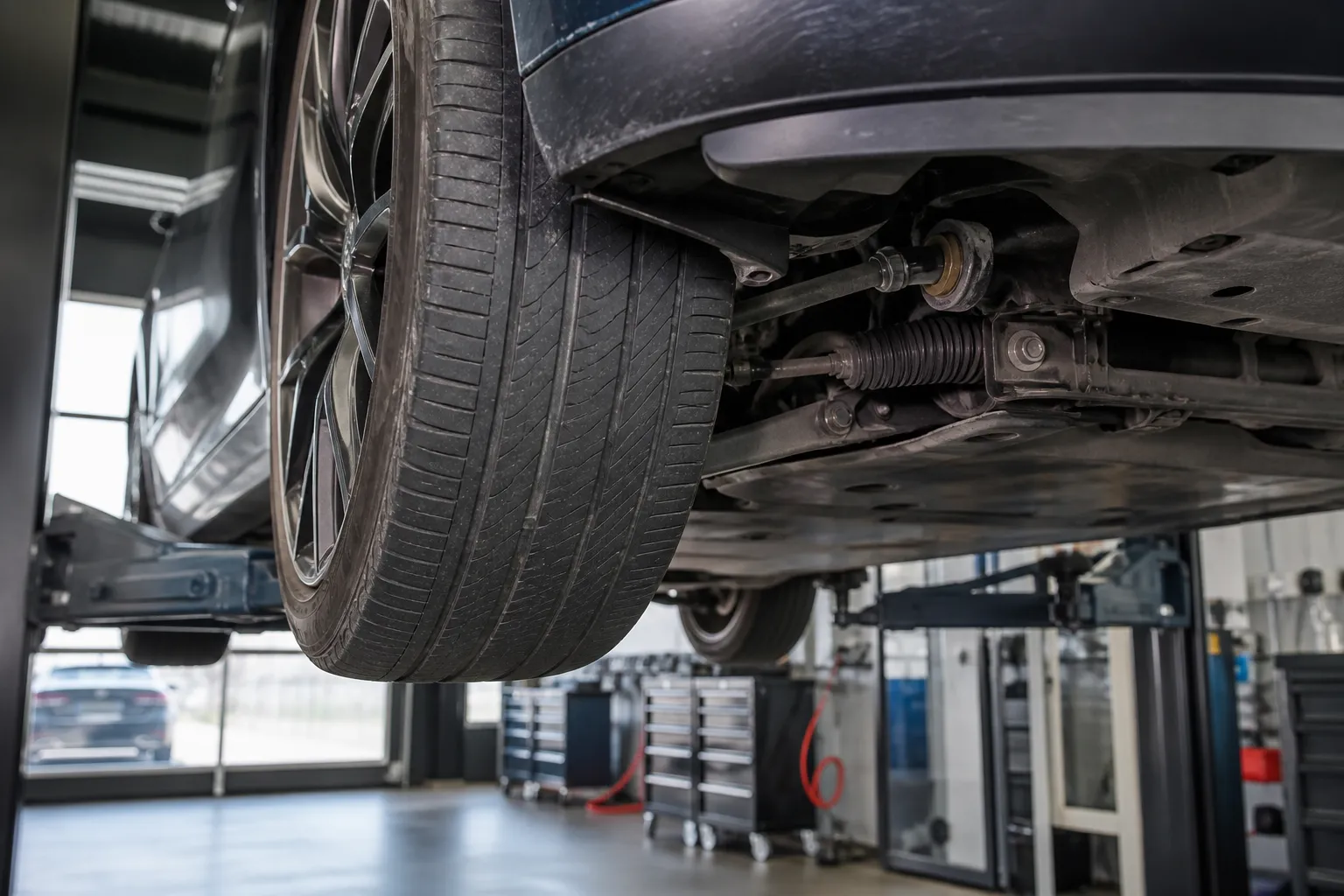
During electric vehicle servicing, technicians check the tires, brakes, suspension, cabin filters, battery condition, software, and vehicle safety. Clint Flower, an automotive technology instructor at TAFE NSW, noted that an average mid-size city electric vehicle can weigh about 400 kilograms more than a traditional car. As a result, there is greater stress on the tires, suspension, and steering system. Some electric vehicles and hybrids also have filters to clean the air that cools the battery.
For more breaking news, follow the UA.News Telegram channel.
According to information from the New South Wales government, servicing an electric vehicle typically costs 40% less than servicing a comparable internal combustion engine vehicle, although the cost depends on the model and manufacturer. The Australian Electric Vehicle Council states that an electric car has about 20 moving parts, while a car with an internal combustion engine can have over 2,000.
According to calculations by Endgame Analytics, commissioned by the Electric Vehicle Council, a trip in a gasoline-powered car at a fuel price of 2 Australian dollars per liter costs an average of 22.20 Australian dollars per 100 kilometers. At a price of 2.50 dollars, this figure rises to 27.75 dollars, and at 3 dollars—to 33.30 dollars. For owners of electric vehicles with a traction battery, charging at 6:00 p.m. costs an average of 5.90 dollars per 100 kilometers, and at noon—1.20 dollars.
Peter Jones, a representative of the Motor Trades Association of Australia, emphasized that electric vehicles may also require an oil change in the transmission or differential. For some models, the battery and inverter coolant must be replaced, and the brake fluid must be changed every two to three years, depending on technical requirements. According to Jones, there are currently not enough EV repair specialists, although more are being trained. The association’s preliminary projections estimated there would be about 8,400 such technicians by 2028 and 13,000 by 2030.


