
Voynich manuscript may have been bound incorrectly in the 15th century — Live Science
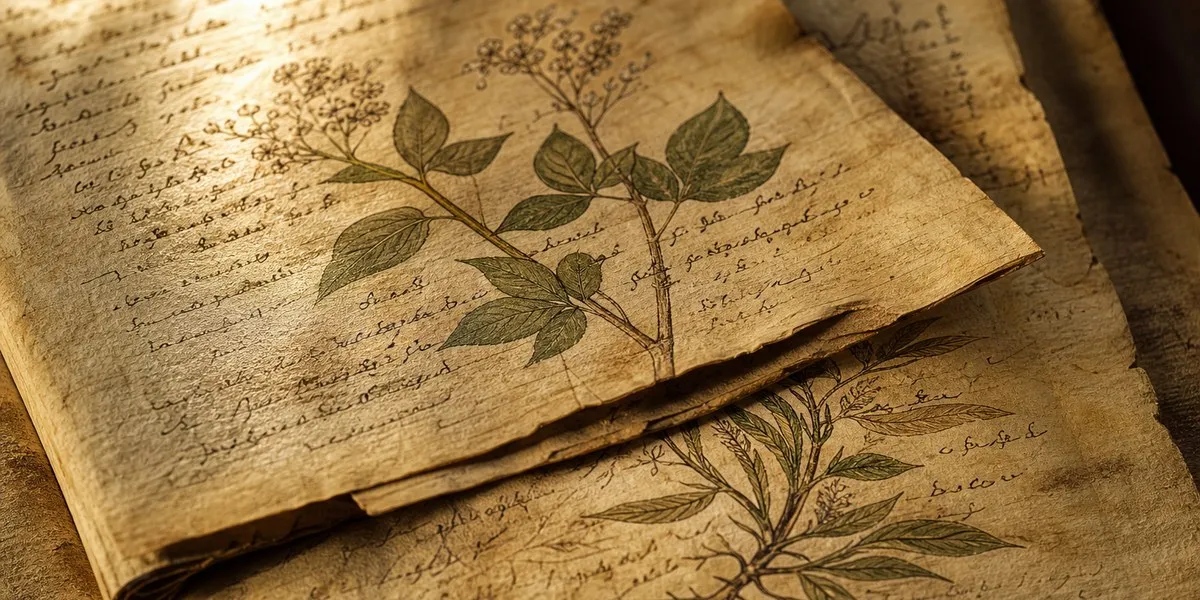
Researchers have suggested that the mysterious Voynich manuscript may have been bound incorrectly as early as the 15th century, meaning that its pages are now not arranged in their original order. This conclusion was presented by Lisa Fagin Davis and Colin Layfield in a study published in the journal Digital Medievalist, Live Science reports.
Features of the manuscript’s structure
The Voynich manuscript is a medieval codex made of parchment dated to the early 15th century. Its 240 pages contain about 38,000 words written in a unique script known as “Voynichese,” as well as illustrations of people, plants and astrological symbols. The text has still not been deciphered. Since 1969, the manuscript has been kept at Yale University’s Beinecke Rare Book Library.
Davis, who studied the number of scribes involved in the document, drew attention to the features of the handwriting and page composition. According to her observations, some images are interrupted on one leaf and continue on another, although many pages separate them in the current binding.
More current news is available on the UA.News Telegram channel Telegram.
Analysis of text blocks
The authors of the study suggested that the manuscript may originally have been a set of separate folded parchment sheets. Unlike ordinary medieval books, these bifolia may not have been intended to be sewn into quires or a book. According to the researchers, someone who could not read the text may later have assembled and bound the sheets incorrectly.
Layfield used latent semantic analysis to search for hidden patterns in the text with a small amount of data. The results showed that some pages have low similarity to one another, while other groups of pages were likely meant to be read together. The researchers also plan to compare water stains in the margins of the leaves: according to Davis, their asymmetry between adjacent pages also supports the version of incorrect binding.
The hypothesis does not provide a decipherment of the manuscript but, according to the researchers, may require a review of previous works that assumed the pages were in the correct sequence.




