
South Korea and Singapore strengthen exchanges in the arts — Korea Herald
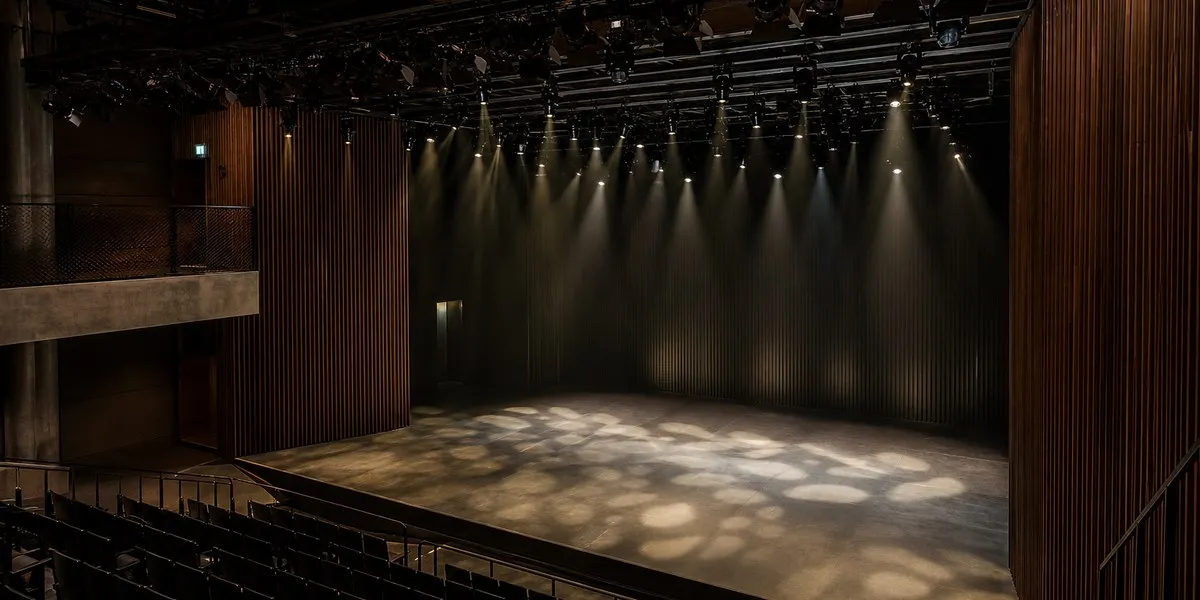
The Seoul Foundation for Arts and Culture and Singapore’s Arts House Group signed a three-year memorandum of cooperation in May to develop arts exchanges and joint projects between South Korea and Singapore. The agreement provides for partnerships between institutions, artist residencies and the exchange of experience in managing arts venues, Korea Herald reports.
This continues cultural contacts between the two countries. In 2023, the Korea Arts Management Service and Singapore’s National Arts Council also signed a memorandum on cooperation at the intersection of art and technology, as well as exchanges between industry professionals.
Research on cooperation
Last year, marking the 50th anniversary of diplomatic relations between South Korea and Singapore, the Creative Connection: A Korea-Singapore Exchange Project program was launched. It ran from October to February. Four arts professionals from each country explored their partners’ cultural environment, including during research trips.
Singaporean theatre actress and creative producer Tan Wan Sze, who is studying in a master’s acting program at the Korea National University of Arts, devoted her research to barriers faced by foreign artists in the Korean market. She drew attention to the large number of organizations under South Korea’s Ministry of Culture, Sports and Tourism and to the fact that support programs may overlap, making it harder to find the needed assistance.
More current news is available on the UA.News Telegram channel Telegram.
According to Tan, the lack of South Korean citizenship may limit access to many support programs for foreign performers holding residence visas. During interviews with policymakers, she was advised to register an organization, which may make interaction with foundations easier.
Support for artists in Korea
Another participant in the program, Singaporean actress Laura Kee, studied the professional resilience of performers and international cooperation in South Korea’s performing arts infrastructure. She noted that the Artist Get Ready grant from the Korea Artists Welfare Foundation is also available to foreign professionals: the program provides 3 million won each to 20,000 artists in the country.
To receive the grant, applicants must verify their artistic activity, including by providing information on income and previous projects. As of October 2025, the foundation had verified 200,000 cases of artistic activity. Kee also noted support for venues hosting selected productions and the Artist Pass, which gives verified artists discounts or free admission to exhibitions and performances.
At the same time, Tan and Kee noted that Korean audiences may not be interested in works from Southeast Asia. In Tan’s view, themes of multicultural identity that are important to Singapore require adaptation for Korean viewers.




