
The Voynich Manuscript May Have Been Misread for Over 100 Years
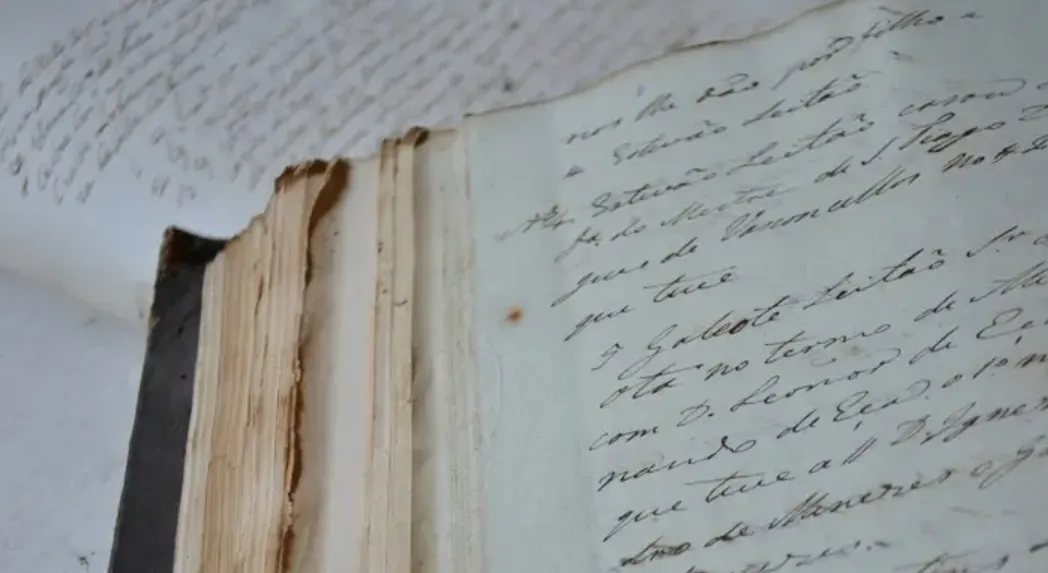
The famous Voynich Manuscript, which has yet to be deciphered, may have been assembled from separate sheets in the wrong order. This could have complicated the study of the enigmatic text, which scholars have been working on for over a century.
Researchers Colin Leifeld and Lisa Fagin Davis analyzed the manuscript’s structure using statistical methods and compared it with other medieval documents.
The manuscript contains images of unknown plants, astrological symbols, unusual figures, and text in an unknown language. Radiocarbon analysis indicates that the parchment was made from the hides of animals that died between 1404 and 1438.
According to the researchers, the document may originally have consisted of separate double-sided sheets that were later reassembled in a different order. This is indicated by inconsistencies in the arrangement of the illustrations, parts of which should have continued onto adjacent pages.
Scientists also do not rule out the possibility that several people worked on the manuscript, and that it may have been a compendium of knowledge passed down through generations. Among the possible topics are records of plants, folk medicine, and women’s health.
At the same time, these new findings do not mean that the manuscript has been successfully deciphered. Its true purpose and the meaning of the text remain a mystery.
Source: IFLScience
Earlier, archaeologists discovered new artifacts from the 10th–15th centuries in the Poltava region.
The remains of 89 soldiers were exhumed at the Holoskov Cemetery in Lviv.




