
Study: Criminal groups control land near Brazil’s BR-319 — Mongabay
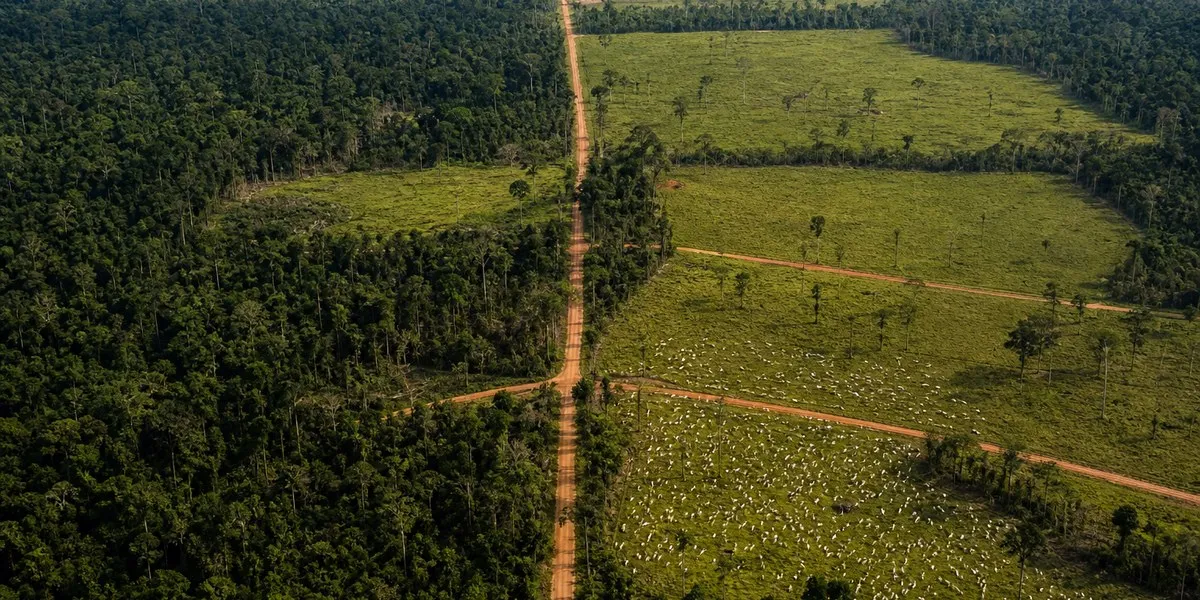
According to a new study reported by Mongabay, criminal groups linked to illegal deforestation, illegal gold mining, land grabbing and cattle ranching control large areas near the BR-319 highway in the Brazilian Amazon.
Rising deforestation
The authors documented a sharp increase in deforestation after 2015, when Brazil’s then-president Dilma Rousseff authorized the first road maintenance work. The route had not been maintained since 1998. Her successor, Jair Bolsonaro, promised to pave the road, which, according to the study, intensified land speculation and the conversion of large forest areas into pastureland.
BR-319 connects the cities of Manaus and Porto Velho in the northern Brazilian Amazon. Its 339-kilometer central section is largely impassable during the rainy season. The road was built during Brazil’s military dictatorship in the 1970s.
Control and illegal roads
The study’s lead author, University of São Paulo researcher Lucas Ferrante, said insufficient state oversight has made the region favorable for organized crime. According to him, drug trafficking and environmental crimes often use the same routes and financial flows, while cattle ranching is frequently used to launder proceeds from criminal activity.
More current news is available on the UA.News Telegram channel Telegram.
The study relied on deforestation data, satellite imagery, cattle trade documents and the results of five field expeditions. Ferrante said illegal access roads already exceed the length of BR-319 by six times.
In his assessment, at least 28 checkpoints would be needed to inspect transport on all secondary roads already opened, where federal agents would check vehicles for illegal activity.
Plans to upgrade the highway
In April, Brazilian President Luiz Inácio Lula da Silva initiated the advancement of work on BR-319, using a new legal loophole to bypass environmental licensing requirements. Environmentalists fear that paving the road could accelerate deforestation and become a tipping point for the Amazon.
In September, Lula’s administration created four sustainable development reserves covering 668,000 hectares near the highway. The federal government also plans to establish three checkpoints and 170 crossings for the safe movement of animals. At the same time, the study calls on authorities to review or revoke permits and regulatory decisions that enable further improvements to the road.




