
Nigerian army reports 48 militants killed — The Rio Times
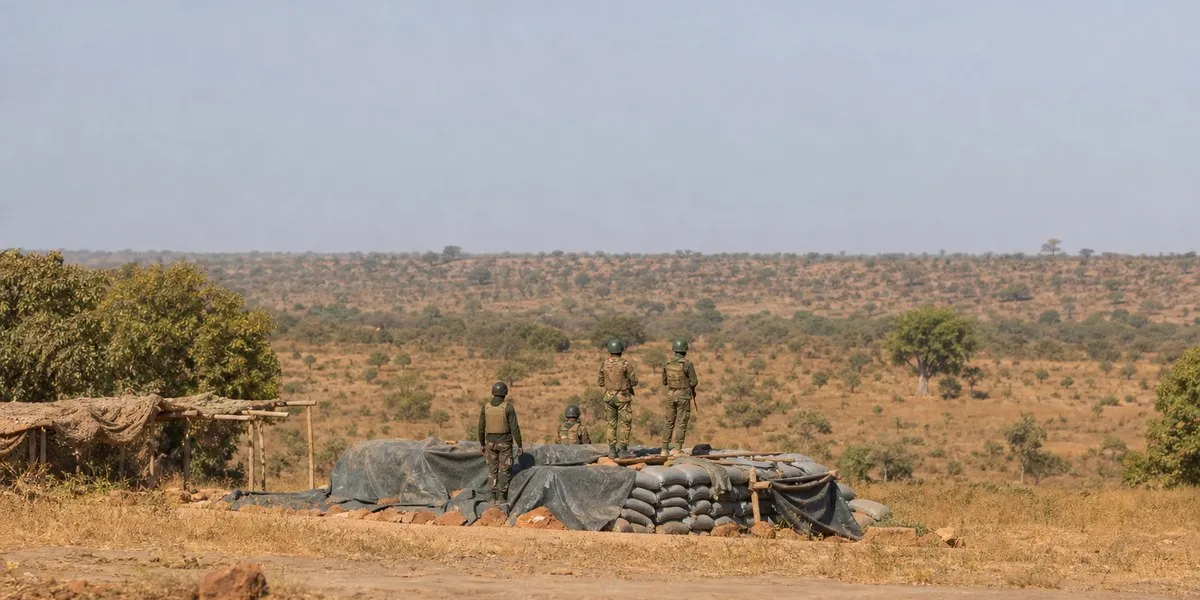
The Nigerian military said it repelled militant attacks on its positions on October 29–30 in the settlement of Bitta in Borno State and at a training center in Buni Yadi in Yobe State. According to the army, 48 members of Boko Haram and ISWAP were killed during the fighting, one Nigerian serviceman was killed, and two others sustained minor injuries.
As The Rio Times reports, the statement on behalf of the Joint Task Force in the country’s northeast, operating under Operation Hadin Kai, was made by acting media information officer Captain Mohammed Goni. The reported militant casualties have not been independently confirmed, and the military did not provide a separate breakdown of the dead by battle location.
Weapons claimed by the military
The army also said it had seized 42 AK-47 rifles, five PKT machine guns, four general-purpose machine guns, one 60 mm mortar, 105 AK-47 magazines, two video cameras, and a large quantity of ammunition. According to the outlet’s assessment, attacks specifically on military facilities indicate that both groups retain the ability to conduct offensive operations in northeastern Nigeria.
More current news is available on the UA.News Telegram channel Telegram.
Confrontation between Boko Haram and ISWAP
Boko Haram and ISWAP are rival jihadist groups competing for influence, recruits, resources, and territory in the Lake Chad Basin area. Boko Haram is described as a more fragmented and locally oriented structure that uses raids, kidnappings, robberies, and extortion. ISWAP, linked to the central leadership of the Islamic State, has a more centralized command system and taxes agriculture, fishing, trade, and livestock in areas with a weak state presence.
The armed confrontation in northeastern Nigeria has lasted about 16 years and affects, among others, the states of Borno, Yobe, and Adamawa. It has caused mass displacement, disrupted agriculture, trade, and access to basic services. The outlet notes that the military’s tactical successes alone do not guarantee the restoration of stable civilian governance in the region.




