
Landslide kills four gold miners in Sumatra — Mongabay
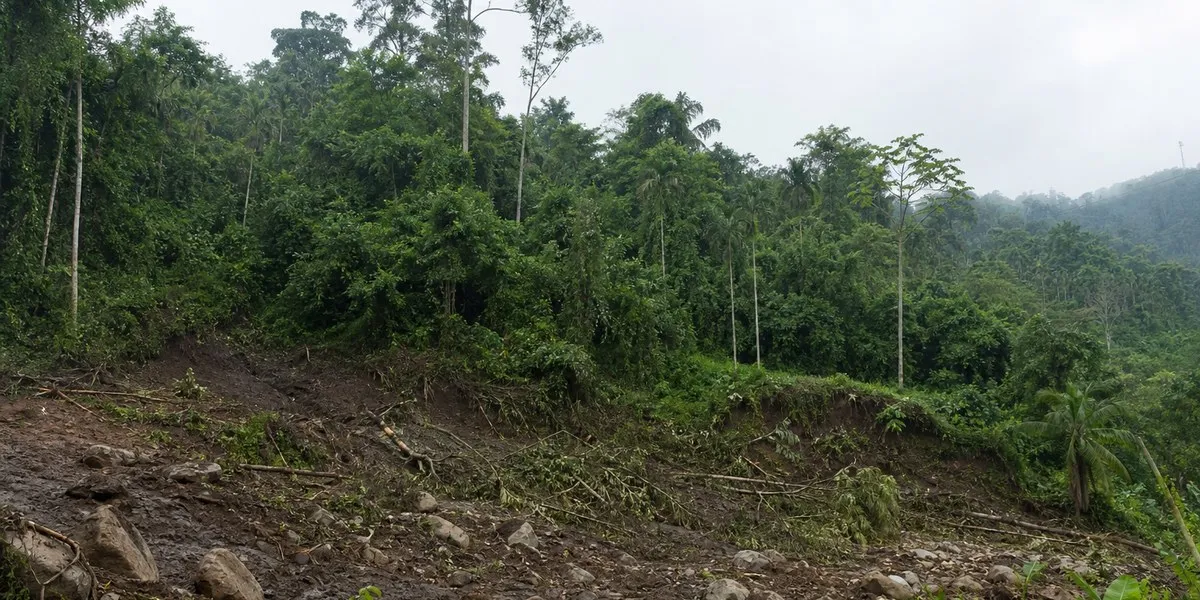
A landslide killed four gold miners in the Jorong-Jujutan forest in the South Solok district on Indonesia’s island of Sumatra. The slope collapsed in the early hours of October 6. The men’s bodies were recovered from beneath a layer of mud and rocks at around 5:00 a.m. — approximately four hours after the landslide, Mongabay reports.
Mud hampered rescue efforts
According to South Solok district police chief Andreanaldo Ademi, workers who were nearby tried to help the victims. However, a thick layer of mud and rocks prevented the rescue of the four men.
Accidents at illegal gold mines have repeatedly resulted in deaths in West Sumatra province. Landslides that buried miners have also occurred in the Sijunjung, Solok, South Solok and West Pasaman districts. According to the West Sumatra branch of the environmental organization Walhi, 52 miners have died in the province over the past 15 years. Tommy Adam, head of the organization’s regional branch, said the true number of victims could be significantly higher.
More current news is available on the UA.News Telegram channel Telegram.
In May, nine miners died in West Sumatra after heavy rains caused a 30-meter slope to collapse at an illegal gold mine. The head of the village where that tragedy occurred suggested that high gold prices may encourage young men to engage in illegal mining.
Illegal mines resume operations
Previously, West Sumatra’s energy and mining agency estimated the number of illegal mines in the province at up to 300. According to the agency’s estimate, their activities cost the state approximately 6 trillion Indonesian rupiah, or $332 million. According to Ademi, police conduct raids in forests and seize excavators, but some mines resume operations after inspections.
At least 20 million people in around 80 countries work in the informal and illegal gold mining sector. They face the risks of workplace accidents and health damage from exposure to mercury, which is used to separate gold from ore. Indang Dewata, a professor at Padang State University, said the environmental consequences for the region of excavations and mercury use will be felt for years.




