
Israel’s opposition leads coalition by six seats — Jerusalem Post
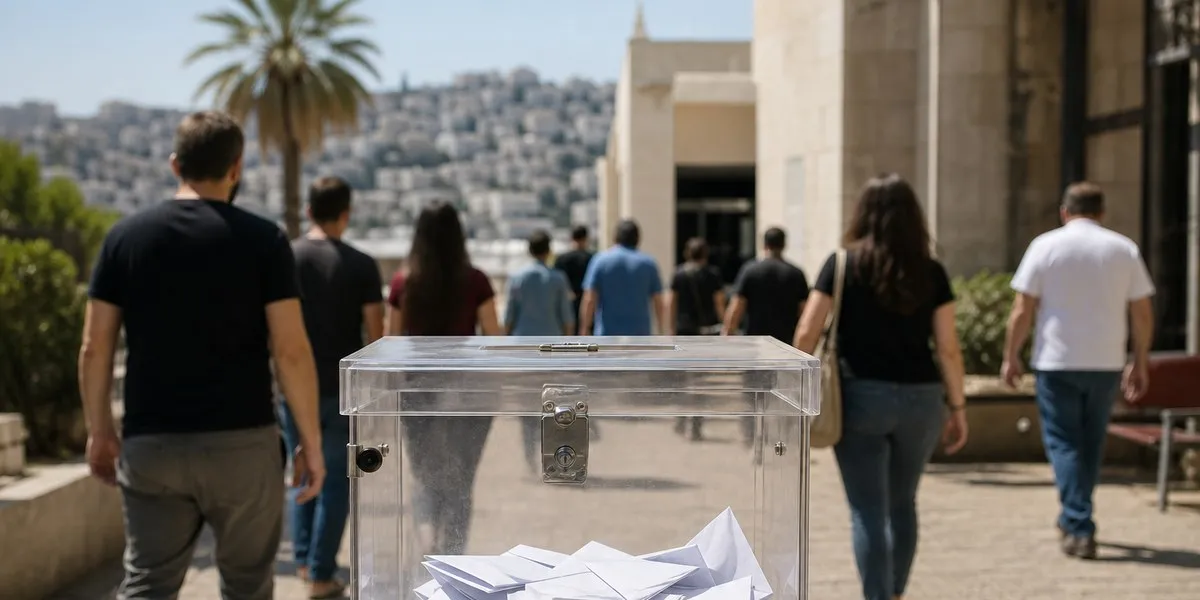
In Israel, the opposition bloc ahead of the Knesset elections on Tuesday could win 54 seats, while the coalition bloc could receive 48. These are the results of a Maariv poll conducted by Lazar Research, the Jerusalem Post reports.
The gap between the blocs has widened to six seats, although the two largest parties are separated by only two mandates. The coalition bloc lost three seats compared with the previous week, in particular because Ofer Winter’s Israel’s People party does not pass the 3.25% electoral threshold. According to the poll, it receives 3% of the vote.
Seat distribution
The Likud party could win 19 seats, Shas eight, and Religious Zionism seven. United Torah Judaism and Otzma Yehudit receive seven seats each. In the opposition bloc, Gadi Eisenkot’s Yashar party has 21 seats, Naftali Bennett’s Beyachad has 15, the Democrats have 10, and Yisrael Beiteinu has eight.
The Reservists Party or the New Economic Party, according to the study, passes the threshold with four seats. If it does not enter the Knesset, the coalition bloc could receive 50 seats, the Zionist opposition 56, and Arab parties another 14.
More current news is available on the UA.News Telegram channel Telegram.
Turnout and candidate support
Some 81% of respondents said they definitely intend to vote. This may indicate higher turnout than in the 2022 election, when it stood at 71%. Among supporters of opposition parties, 87% are certain they will vote, compared with 83% among coalition voters. The share of supporters of Arab parties who definitely plan to go to the polls rose from 74% on October 8 to 81%.
In a direct comparison of candidates for prime minister, Gadi Eisenkot leads incumbent Prime Minister Benjamin Netanyahu, 49% to 41%. Naftali Bennett also has an advantage over Netanyahu, 45% to 43%. At the same time, Netanyahu leads Avigdor Lieberman, 44% to 39%.
Sixty percent of those surveyed would prefer a national unity government if the election produces no clear result. Twenty-three percent of respondents want new elections in the event of a political deadlock. The poll was conducted on October 19–22 among a representative sample of Israel’s population aged 18 and over, including Jewish and Arab respondents; the maximum margin of error is 3%.




