
Posco completes construction of $474 million electric arc furnace — Korea Herald
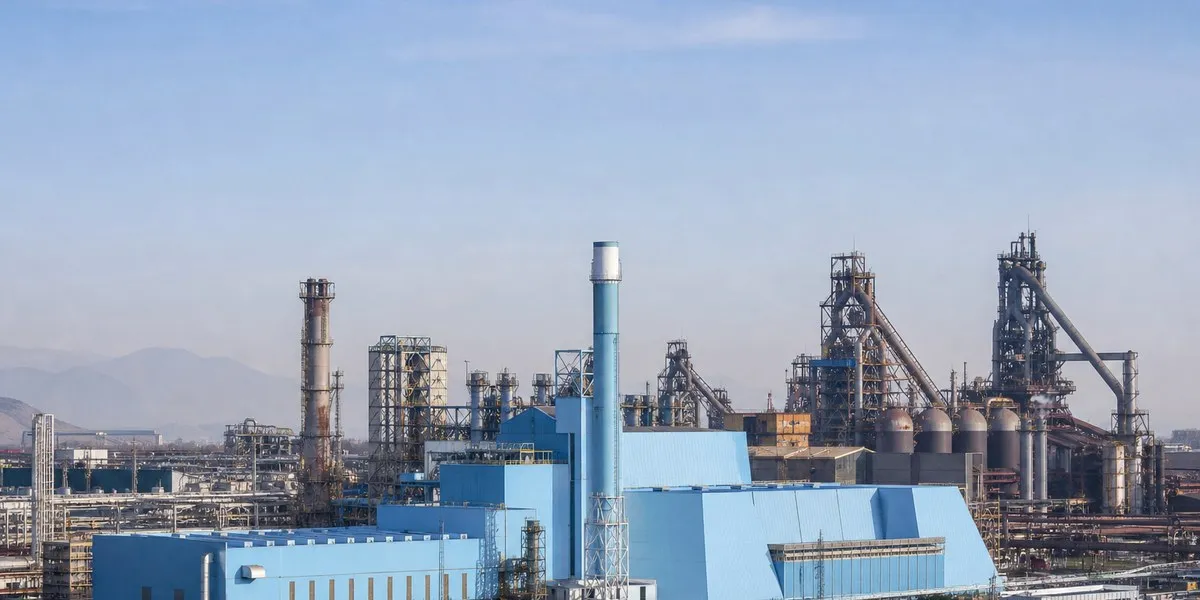
Steel company Posco completed construction in June of an electric arc furnace in Gwangyang costing 600 billion won, or $474.19 million. The facility, with annual steel output of 2.5 million to 2.8 million tonnes, is set to become part of the company’s emissions-reduction plan, Korea Herald reports.
The furnace is located at the Posco Gwangyang Steelworks complex, which covers an area of 21.48 million square metres. The company calls the complex the world’s largest steelmaking facility concentrated on a single site.
Automated scrap loading
The electric arc furnace uses scrap metal, which automated electromagnetic cranes feed onto conveyors. The system makes it possible to load raw materials without opening the furnace roof and to preheat scrap to 200–300 degrees Celsius. This design cuts electricity consumption by more than 10% and reduces heat losses.
The production process is monitored by 80 high-resolution cameras, while six-axis robotic manipulators take samples of molten steel and analyse slag. According to a plant engineer, after a complete shutdown, the electric furnace can produce a full batch of liquid steel in two and a half hours. A blast furnace requires one to two months to reach operating mode.
More current news is available on the UA.News Telegram channel Telegram.
Combining two technologies
Steelmaking using only scrap has historically faced difficulties in achieving the purity required for premium automotive sheet and electrical steel. Therefore, at the Haptang station, Posco mixes equal amounts of 140 tonnes of low-carbon liquid steel from the electric furnace and 140 tonnes of high-purity liquid pig iron from the blast furnace.
Posco Holdings communications chief Yang Won-jun said that the electric arc furnace produces about 400 kg of carbon emissions per tonne of steel, compared with about 2 tonnes from a traditional blast furnace. According to him, the hybrid process makes it possible to reduce emissions while maintaining the mechanical strength and surface quality of steel for automakers.
The electric furnace is currently operating at about 10% of capacity because operating costs are estimated to be about 10% higher than for blast furnaces. The company is also developing HyREX technology, which involves using hydrogen instead of coal to reduce iron from ore. Posco plans to complete a HyREX demonstration plant in Pohang by 2028 and fully commercialise the technology by 2030.




