
Case over eviction of 14 Mayan communities in Guatemala referred to court — Mongabay
The Inter-American Commission on Human Rights has referred to the Inter-American Court of Human Rights a case concerning the eviction of 14 Indigenous Maya Q'eqchi' communities in Guatemala's Alta Verapaz department. On October 28, the Commission announced that it had sent the case to the court, which examines human rights violations in the countries of the Americas. According to Mongabay, the application was filed with the court on September 17.
Land dispute
The case concerns land on which the Maya Q'eqchi' communities have lived for centuries. According to the Inter-American Commission on Human Rights, private companies began purchasing these territories at least as early as 2005. The state did not provide the communities with proper land documents, resulting in uncertainty over who had the right to occupy the territory.
In 2011, after several years of protests, a court authorized the eviction of 14 communities whose residents refused to leave the land. The Commission stated that the evictions were carried out violently and with the use of disproportionate force. It also indicated that officials did not examine the communities' historical use of the land or the possible social and cultural consequences of their displacement.
More current news is available on the UA.News Telegram channel Telegram.
Demands for Guatemala
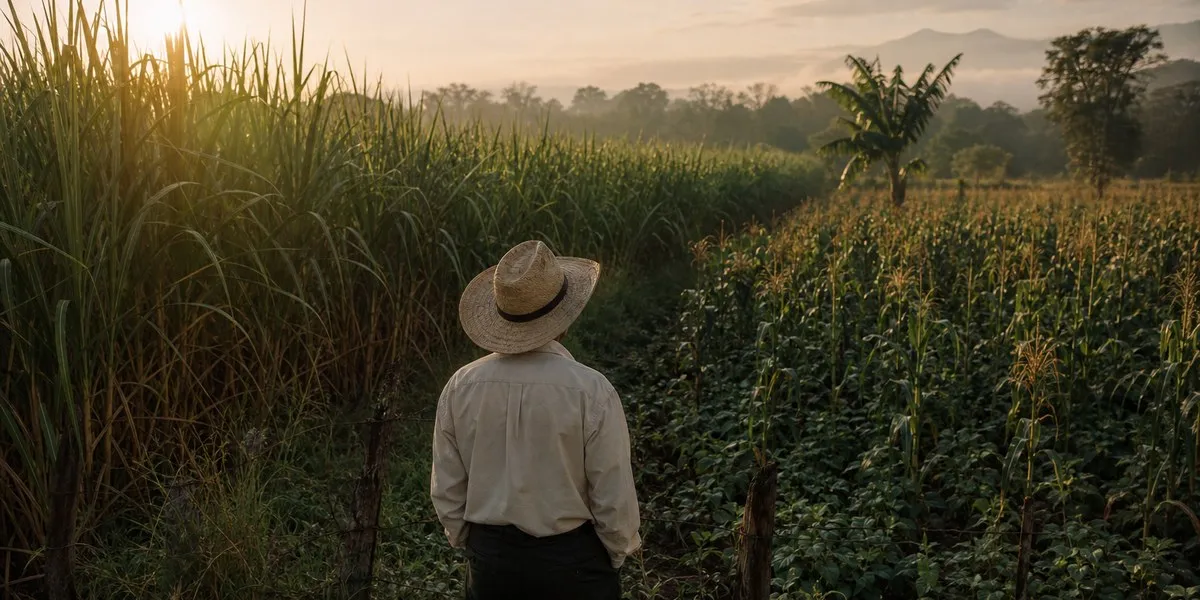
In May 2013, during the eviction of 95 families from the Río Polochic farm in Panzós, five Indigenous representatives sustained gunshot wounds and were taken to hospital. During the same period, the government, according to the Commission, approved large-scale sugarcane plantations without consulting the communities or assessing the environmental impact. The Commission links this to the destruction of traditional rice, maize and bean crops.
The Commission asks the court to order the state to compensate community members for the harm caused, guarantee their safe return to the land, and ensure access to food, drinking water and housing. It also asks for the lands to be demarcated, for the 14 communities to be granted collective ownership of them, and for legal mechanisms to be created to guarantee their rights to ancestral lands. Decisions of the Inter-American Court are binding on states that have recognized its jurisdiction, including Guatemala. The date of further hearings in the case has not yet been announced.




