
In Nepal, police take three journalists in for questioning — Kathmandu Post
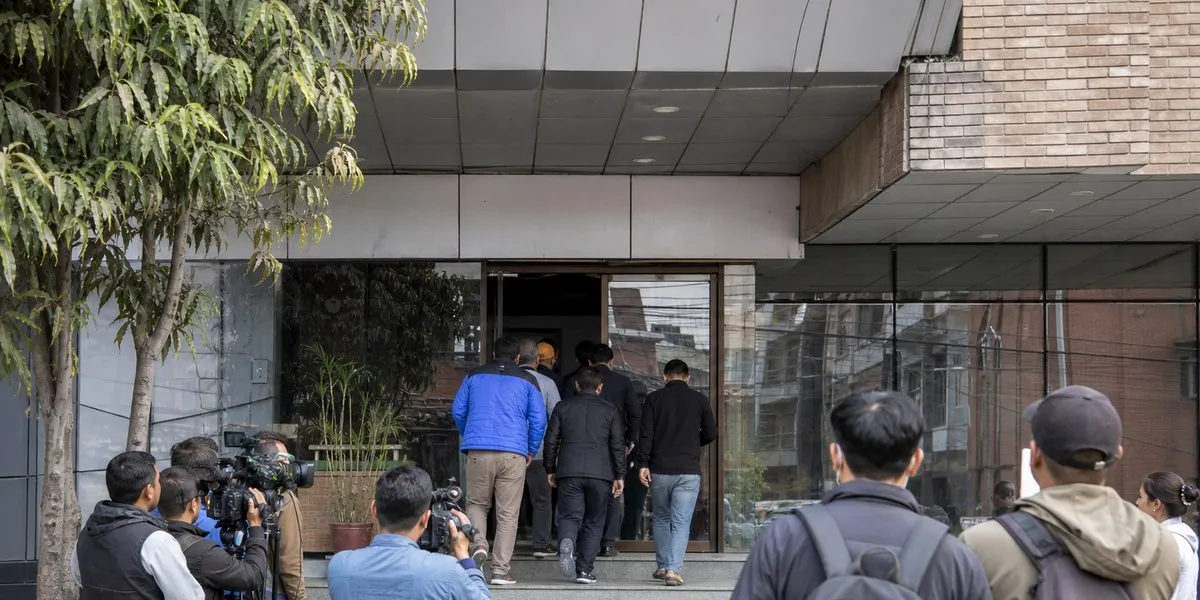
In Nepal, plainclothes police officers visited the offices of several media outlets, took three journalists in for questioning and attempted to detain other media workers. As Kathmandu Post reports, law enforcement officers were likely trying to identify the sources of publications about police leadership and an investigation involving Inam Sapkota.
On Friday, police took Bishwamani Subedi of Nepal Press, Motive News editor Shobharaj Baral, and DNA Khabar editor-in-chief Dhiraj Basnet in for questioning. At the office of Naya Patrika Daily, police officers tried for nearly three hours to take journalist Navaraj Mainali away, but left the premises after protests. Law enforcement officers also came to the Diyo Post office in Kathmandu, but did not find editor-in-chief Sudip Bishwakarma there.
Questions about publication sources
Nepal Press editor-in-chief Matrika Poudel said police asked about the grounds, facts, evidence and sources of the published materials. According to him, the journalists replied that they could provide such information to a competent court or the Press Council Nepal. Poudel also said the officers asked why the outlet was “spreading negativity” and mentioned a publication about alleged pressure on Inspector General of Police Dan Bahadur Karki to resign.
More current news is available on the UA.News Telegram channel Telegram.
Deepak Raj Awasthi, a representative of Nepal Police's Cyber Bureau, denied that journalists had been arrested and said three people had been summoned to provide explanations. After protests, everyone taken to the police station was released the same evening.
Reaction from media and authorities
The Federation of Nepali Journalists called the police actions an attack on press freedom. Its president, Nirmala Sharma, said using police against the media violates freedom of speech and the constitution. Former federation head Shiva Gaunle compared the police attempts to identify the sources of journalistic materials with practices from the era of the autocratic rule of King Gyanendra Shah.
The ruling Rastriya Swatantra Party also condemned the police actions, stating that complaints about media materials should be considered by the institutions designated for that purpose. The Prime Minister's Office said that the prime minister, his secretariat and his office had not been informed of the operation in advance. After receiving the information, the prime minister instructed that the journalists be released and that police not enter newsrooms. The Press Council Nepal said police officers had not explained the grounds for the detentions and had not shown arrest warrants.




