
Aramco plans to increase oil pipeline capacity to 10 million barrels per day — Fortune
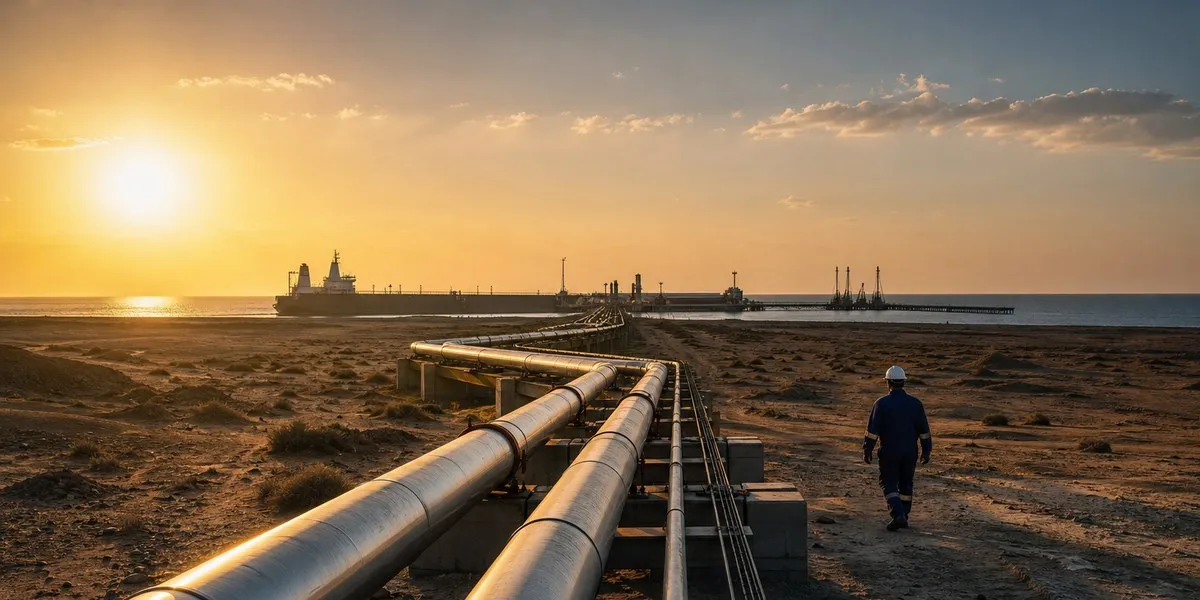
Saudi oil company Aramco plans to increase the capacity of the East-West pipeline, also known as Petroline, from about 7 million to 10 million barrels per day. The expansion of the route, which makes it possible to transport oil bypassing the Strait of Hormuz, is expected to take two to three years, Fortune reports.
Route to the Red Sea
Aramco CEO Amin Nasser said the company is also conducting engineering studies on additional export routes. The approximately 750-mile pipeline runs from the Abqaiq processing hub near the Persian Gulf to the port of Yanbu on the Red Sea.
Before the war began, the pipeline typically transported about 2 million barrels of oil per day. At the end of March, it reached its full capacity of 7 million barrels per day, with about 2 million barrels of this volume going to Saudi refineries rather than for export.
More current news is available on the UA.News Telegram channel Telegram.
Supply risks
Gilbert Metcalf, a lecturer at the MIT Sloan School of Management and former U.S. Treasury deputy assistant secretary for environment and energy, believes that if Saudi Arabia can increase pipeline flows to 10 million barrels per day, it could add about 2% of oil to the global market and somewhat lower prices. At the same time, he stressed the vulnerability of the pipeline and other oil infrastructure in the kingdom to drone and missile attacks, as well as uncertainty over available refining capacity.
Petroline has been attacked repeatedly this year. According to Kpler, following a drone strike on September 10, the pipeline was shut down as a precaution until September 22. The sea route via the port of Yanbu also involves risks in the Bab el-Mandeb Strait area, through which tankers heading south from the Red Sea pass.
According to Kpler, oil exports through the Strait of Hormuz averaged slightly less than 9 million barrels per day in September — about 44% of the February level. Metcalf noted that even an expansion of the Saudi pipeline may not reduce the global market's dependence on this strait.




