
EDL begins disconnecting Lebanese state institutions over debts — Asharq Al-Awsat
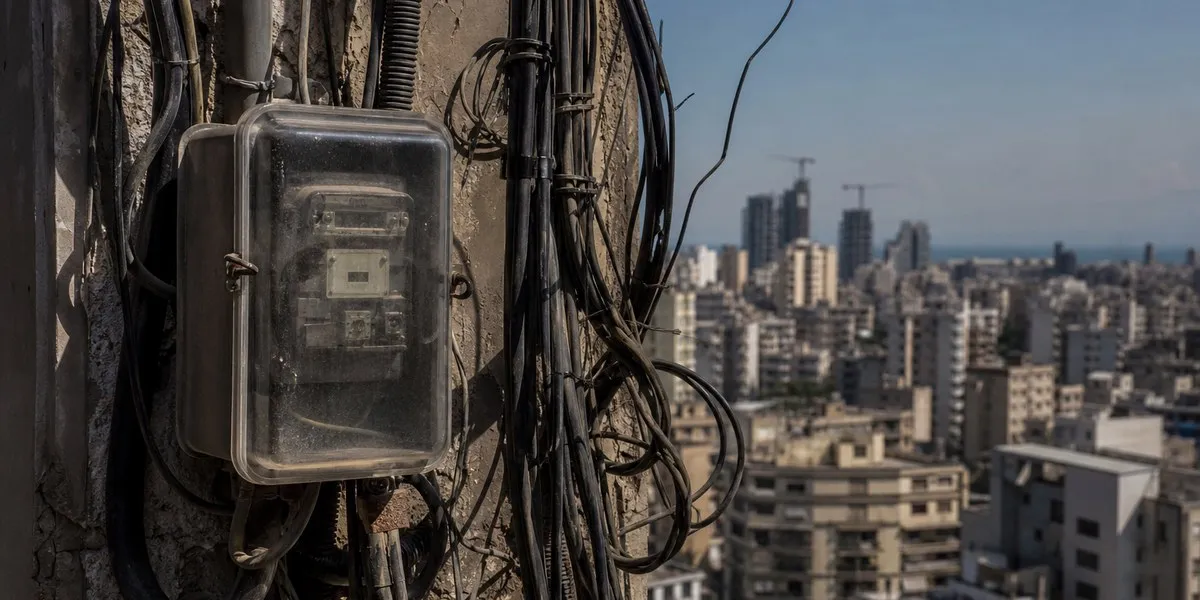
Lebanon’s state electricity company, Electricite du Liban (EDL), on Monday began taking steps to disconnect the power supply to state administrations, institutions and municipalities that have not settled their debts. This was reported by Asharq Al-Awsat.
Which institutions are on the list
According to the publication, the measures cover ministries, official bodies, water authorities and municipalities. The initial list included the Council for Development and Reconstruction, the Ministry of Public Works and Transport, the General Directorate of Urban Planning, the General Directorate of Education at the Ministry of Education and Higher Education, land registry directorates and the General Directorate of Customs. Telecommunications Ministry connections in various regions were also included on the list.
An informed source told the publication that the decision is not intended to punish institutions or halt their work. According to the source, EDL seeks to ensure regular bill payments, the settlement of accumulated obligations and to prevent further debt growth.
More current news is available on the UA.News Telegram channel Telegram.
Arrangement for Beirut airport
Beirut’s Rafic Hariri International Airport avoided disconnection after an agreement between the Civil Aviation Authority and EDL. It provides for the payment of part of the accumulated debt, the postponement of deadlines for paying the remaining amount and regular payment of new bills.
The General Directorate of Civil Aviation’s debt amounted to about $22.8 million. Overall, state administrations and institutions owed EDL approximately a quarter of a billion dollars. The company needs regular revenues to purchase fuel and operate power plants. The problem of accumulating debts is linked to years of irregular bill payments and worsened after tariff increases and insufficient funding at some institutions.




