
Israel’s IEC develops 3D printing of power plant parts — Jerusalem Post
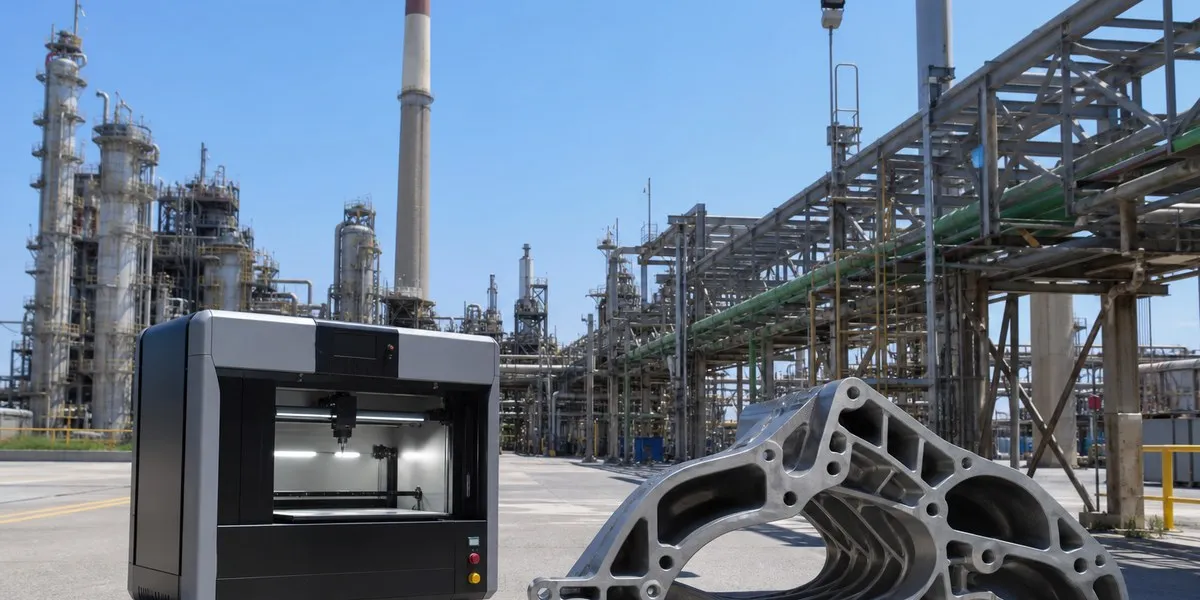
Israel Electric Corporation (IEC) is developing 3D-printing technologies to produce critical power plant parts in the country. As reported by the Jerusalem Post, the program is intended to reduce dependence on foreign suppliers, shorten repair times, and support the uninterrupted operation of generating facilities during wartime and disruptions to global supply chains.
Parts for old power plants
The company notes that power plants often require specialized engineering components many years after they are commissioned. Some of these parts are becoming increasingly difficult to purchase abroad due to limited market availability or the obsolescence of the products. IEC is developing methods for the local production of complex components to speed up equipment maintenance.
Yossi Rofe, IEC deputy CEO and vice president for generation and energy, said that developing in-house capabilities to print complex engineering parts is a strategic goal for the company and should strengthen Israel’s energy independence. According to him, the project combines the experience of IEC engineers with the capabilities of Israel’s technology sector.
More current news is available on the UA.News Telegram channel Telegram.
Transition to metal printing
One of the program’s main areas is the development of metal 3D printing. IEC seeks to establish the capability to produce, in particular, steam-pipe components from a special steel alloy designed for high pressure and extreme temperatures. At the same time, printing technology using this alloy remains at the research stage and is not ready for large-scale industrial production. The company is working with Israeli technology firms to create local manufacturing capacity.
According to IEC estimates, ordering a single part from a foreign manufacturer can take years and cost millions of dollars. Manufacturing components domestically using metal powder or wire could, according to the company’s calculations, reduce the cost to tens of thousands of shekels and shorten the delivery time to several weeks.
IEC has been using polymer 3D printers for research and prototyping for several years. Such printers operate at the Orot Rabin, Haifa, and Rutenberg sites, while in Ashkelon the company has a printer using liquid injection technology to manufacture parts with complex internal cavities. Each printed component undergoes engineering optimization, including design, determination of printing parameters, and thermal regime planning.




