
Candidates in the US propose freezing tariff increases — Dawn
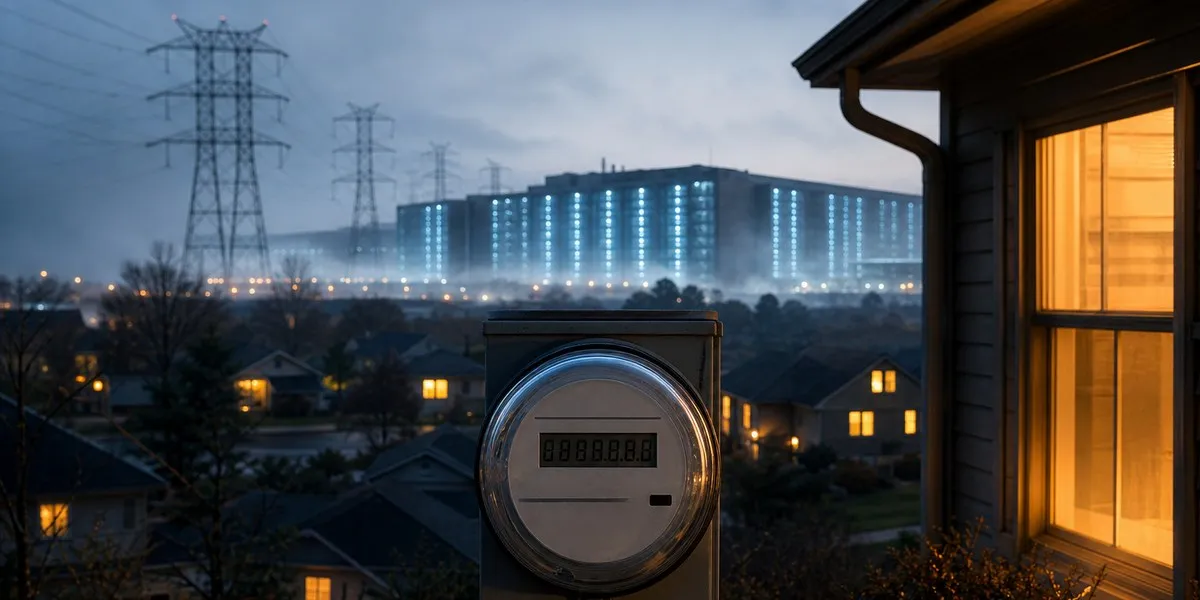
Rising electricity bills and energy supply agreements for data centers have become a major issue in this year's US midterm elections. As Dawn reports, candidates for state government offices are proposing freezes on tariff increases and reductions in energy companies' guaranteed returns.
According to the US Energy Information Administration, household electricity prices in the country have risen by more than 10% since 2024. This has outpaced price increases for other goods and services. In Ohio, Michigan, and Pennsylvania, which are both politically important states and hubs for new data centers, electricity bills have risen even faster. In some cases, they increased three times more than the inflation rate.
Record requests for tariff increases
Energy companies in the US operate in a tightly regulated system: state regulators must approve their spending on power grids and the subsequent recovery of these costs through tariffs. They also determine the returns that utilities may receive from investments in grid infrastructure.
According to estimates by the organization PowerLines, companies may submit requests to regulators this year for tariff increases totaling a record $31 billion, matching last year's figure. Last year's total was twice the previous record. At the same time, investor-owned energy companies plan nearly $1.3 trillion in capital expenditures over the next five years, according to an analysis by S&P Global Regulatory Research Associates.
More current news is available on the UA.News Telegram channel Telegram.
Proposals by candidates and governors
This year, voters will elect members of nine state public utility commissions, including in Arizona and Georgia, where the data center sector is developing rapidly. Gubernatorial elections will also take place in 36 states, with governors appointing regulators where commission members are not directly elected.
Democratic candidate for governor of Ohio Amy Acton has promised to reduce energy costs if she wins. Her campaign said that she would appoint a public utilities commission independent of energy companies and work with the state attorney general on excessive tariff increases. Acton also supported a moratorium on data centers. Her Republican opponent, Vivek Ramaswamy, said that Ohio residents living near data centers would not pay for electricity.
In Pennsylvania, Governor Josh Shapiro said in April that PECO Energy had withdrawn a tariff increase proposal submitted to the regulator after his demand. According to Shapiro, this could reduce future consumer bills by up to $34 per month. Industry representatives, for their part, warn that tariff freezes and cuts to guaranteed returns could reduce investment in power grids in the long term.




