
US Energy Secretary: Oil flows through Hormuz restored to 80–90% — Asharq Al-Awsat
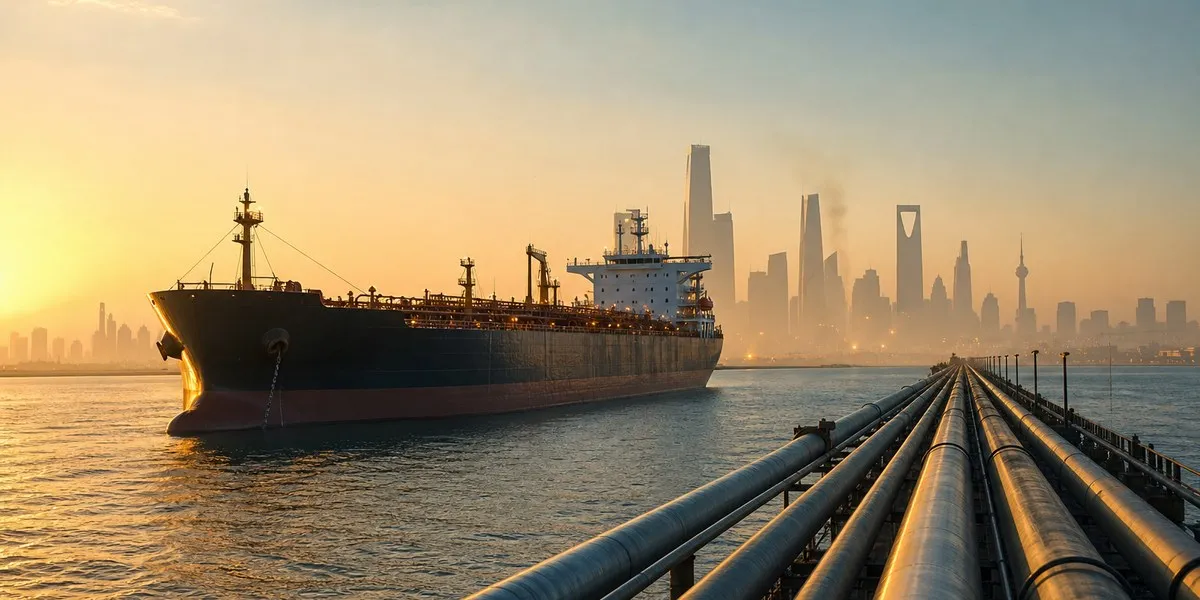
US Energy Secretary Chris Wright said at the WPC Energy Congress in Riyadh, Saudi Arabia, that oil flows through the Strait of Hormuz have recovered to 80–90% of their pre-conflict level. This amounts to an average of 13–14 million barrels per day, Asharq Al-Awsat reports. According to him, global supplies have also been supported by increased oil transportation via alternative pipelines.
Stocks contain pressure on the oil market
Wright said that spare production capacity and substantial inventories had helped keep crude oil supplies at acceptable levels despite persisting problems. At the same time, he stressed that the oil supply problem has not yet been fully resolved.
The official described flows of petroleum products from the Arabian Gulf region as a bigger problem. In his assessment, their volumes stand at only 25–35% of the pre-conflict level. This is exacerbating shortages of diesel fuel, jet fuel and gasoline.
Export cuts and transport restrictions
According to Wright, the reduction in petroleum product exports from the Gulf coincided with declining supplies from other sources. The Russian Federation, an aggressor state, had previously been a major supplier of diesel fuel but has become a net importer of it, albeit in small volumes. China, the minister said, has significantly reduced petroleum product exports and announced that it would not export them in October.
More current news is available on the UA.News Telegram channel Telegram.
Wright expressed hope that increased refining at Chinese refineries, which have spare capacity and benefit from high margins, would help ease the shortage. He also noted that US refineries are processing oil and producing petroleum products at record levels.
The minister also linked the slow recovery of petroleum product flows from the Gulf to higher maritime shipping costs and longer routes. According to him, disruptions in the Bab el-Mandeb Strait forced tankers to take longer routes, while Iranian attacks on vessels increased pressure on available maritime shipping capacity.
Wright warned that high transportation costs have a stronger impact on markets located farther from supply sources. According to him, global diesel prices have reached very high levels, jet fuel has also become more expensive, while gasoline prices have risen more moderately.




