
European gas prices rise by more than 150% since the start of the year — The National
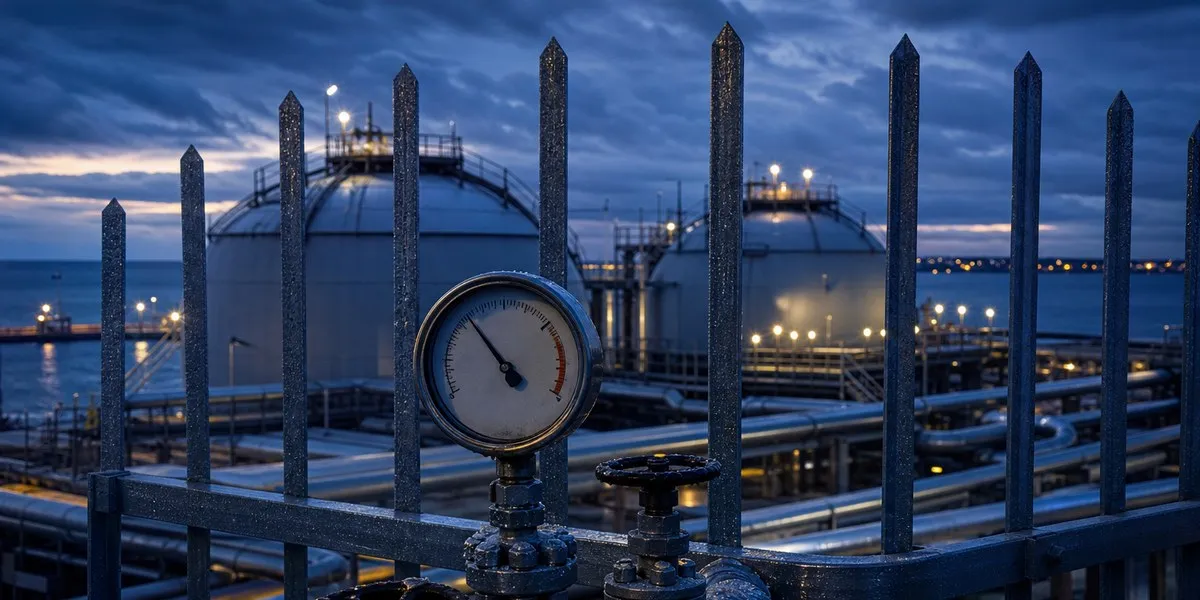
European gas prices have risen by more than 150% since the start of 2026, while the United Kingdom has limited gas reserves ahead of winter. At the beginning of October, British underground gas storage facilities were 48% full, The National reports.
According to the publication, this figure stood at 94% in Portugal and 99% in Poland. In 2024, the UK’s gas storage capacity amounted to 5% of its annual demand, while the EU average was 29%. The country’s available reserves are equivalent to about seven days of average winter consumption.
Uncertainty surrounding Rough
Centrica, the owner of British Gas, warned that the Rough gas storage facility could cease operations next spring, when its operating permit expires in April. The company proposed investing £2 billion in upgrading the facility, which accounts for about half of all gas storage capacity in the UK.
More current news is available on the UA.News Telegram channel Telegram.
According to Neil Quilliam, an associate fellow at Chatham House, the country is unlikely to face a physical gas shortage in winter. At the same time, limited reserves make it more vulnerable to disruptions in global supplies and competition for shipments of liquefied natural gas. An unusually cold winter, disruptions to Norwegian supplies or shocks on the global gas market could complicate the situation.
Pressure on the energy system and bills
EU gas storage facilities were 72% full at the beginning of October, compared with about 83% a year earlier. The European Network of Transmission System Operators for Gas expects this level to stand between 75% and 78% by November 1, approximately 10 percentage points below the five-year average. Under the central scenario, EU reserves could fall to about 30% by the end of March.
On October 6, the UK’s National Energy System Operator issued a capacity margin notice due to weak wind generation, which narrowed available reserves. Consultancy Cornwall Insight forecasts that in January, the annual energy price cap for British households will rise by 16% to £1,999. In October, this figure had already increased by 4% and reached a three-year high.




