
Sudan raises bus and minibus fares due to fuel shortages — Al Jazeera
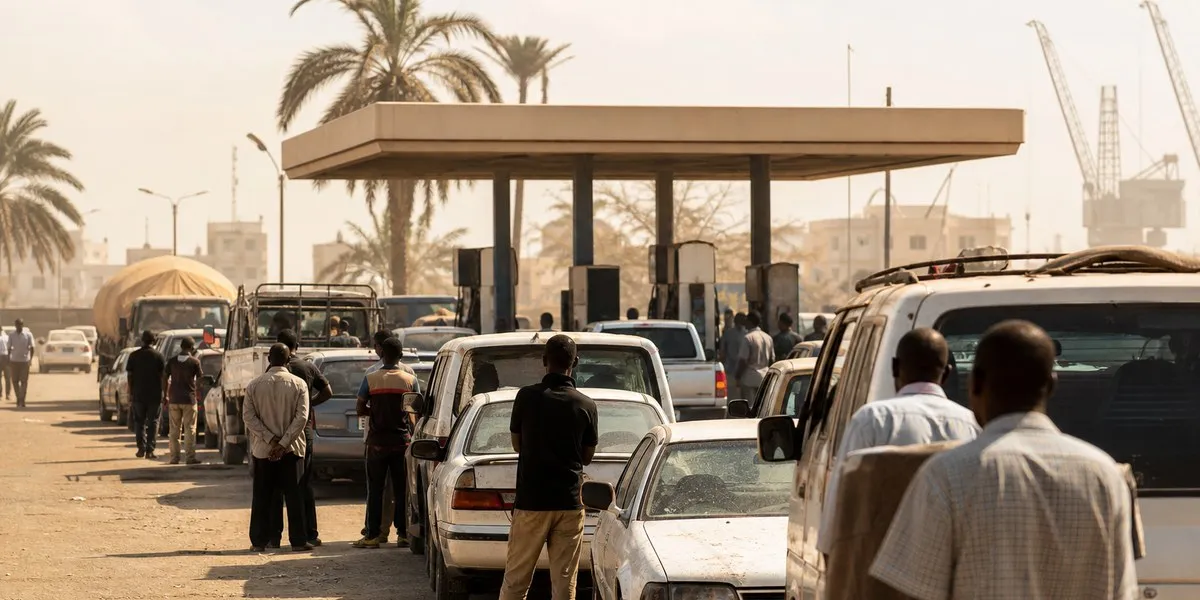
In Sudan, the Transport Chambers Union, which regulates public and private transport services, this month raised fares for intercity buses by 40% and minibus fares by 30%. The reason was fuel shortages and rising fuel prices, which complicate carriers’ operations and increase passengers’ expenses.
As Al Jazeera reports, minibus driver Azhari Mohamed from Port Sudan works from 6:00 to 21:00, but due to petrol shortages he transports passengers for two days and spends the third day in fuel queues. According to him, the wait can last more than five hours, and petrol often runs out before his turn comes.
Queues at petrol stations and carriers’ expenses
Mohamed’s minibus consumes about 11 litres of petrol per day, costing approximately 105,000 Sudanese pounds. In Port Sudan, a gallon of petrol, or 3.8 litres, costs 35,000 pounds, while in Gezira state south of Khartoum it costs 40,000 pounds.
After vehicle operating expenses, the driver estimates that he has about 50,000 Sudanese pounds left per day. This money is barely enough to meet the needs of his family, which includes his wife and student daughter.
More current news is available on the UA.News Telegram channel Telegram.
Rising travel and goods costs
For Port Sudan residents, higher transport costs have become a separate financial burden. Cleaner Aziza Ibrahim, who supports four children, works three times a week because of travel expenses. Before the war, a trip from her neighbourhood to the main transport station cost 700 Sudanese pounds, while fares on some routes have now risen to 2,000–2,500 pounds. She spends 11,000 pounds a day travelling to and from work, while her monthly salary is 400,000 pounds.
The war between the Sudanese Armed Forces and the paramilitary Rapid Support Forces began on April 15, 2023. According to the UN Development Programme, it has pushed average incomes of Sudan’s population back to 1990s levels. The Ministry of Energy and Petroleum last year estimated war losses at $20 billion.
The World Bank reported that attacks on the Balila oil field disrupted supplies to the Khartoum oil refinery, which had previously met about 60% of the country’s demand for petrol and liquefied gas. Economic analyst Sidi Ohaj also links the reduced supply to state requirements for petroleum product importers, including the need to deposit 200 kg of gold with the Central Bank and have their own fuel storage facilities.
The energy crisis is also affecting trade. Ahmed al-Haj, a skincare products seller from Omdurman, said that the cost of transporting a tonne of goods had risen by 30–50%. Delivery within the city, which previously cost 5,000 Sudanese pounds, now costs 10,000–12,000, while supplies to other states have become too expensive.




