
Fertilizer exports from the Middle East fell by 70–75% — The National
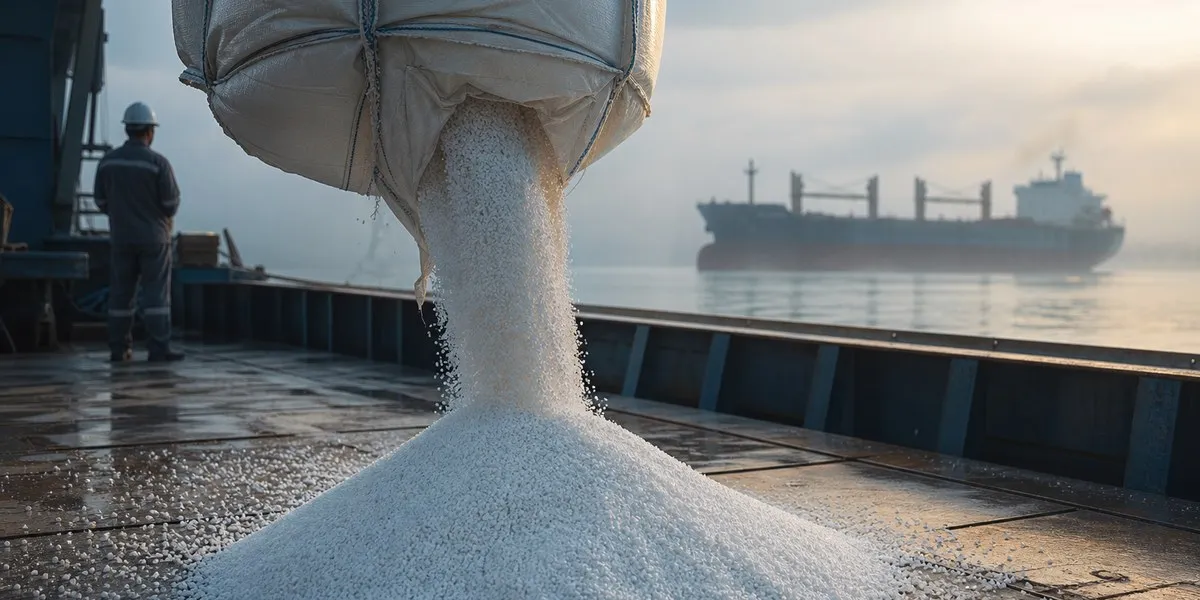
Fertilizer exports from the Middle East have declined by approximately 70–75% due to disruptions to shipping through the Strait of Hormuz. In September, shipment volumes amounted to 994,000 tonnes, compared with 3.41 million tonnes in the same month last year, The National reports, citing Kpler data.
Supply disruptions
Kpler senior agricultural data manager Madeline Overgaard said that the export decline has tightened global supplies of sulphur, nitrogen fertilizers, including urea, and phosphate fertilizers. In her assessment, supplies may remain at their current low level until the end of the year if the security situation in the region does not improve.
Saudi Arabia is transporting fertilizers overland to ports on the Red Sea, but these volumes are insufficient to offset the loss of maritime routes through the strait. Shipowners and charterers are reluctant to use transit corridors because of attacks on commercial vessels, according to Kpler.
More current news is available on the UA.News Telegram channel Telegram.
Risks to harvests
Persian Gulf countries are important exporters of urea, sulphur and other components used in fertilizer production. The region accounts for 25–30% of global sulphur production and up to half of its seaborne trade. The region's share of global urea production is 10–12%, but it accounts for 30–40% of seaborne trade in this product.
Analysts warn that fertilizer shortages could reduce crop yields and intensify food inflation next year. Rystad Energy noted that China has become one of the alternative suppliers, but new sources cannot fully cover the supply shortfall and offer products at a higher price.




