
Cost of delivering oil to Japan from the US reaches $26–$28 per barrel — OilPrice
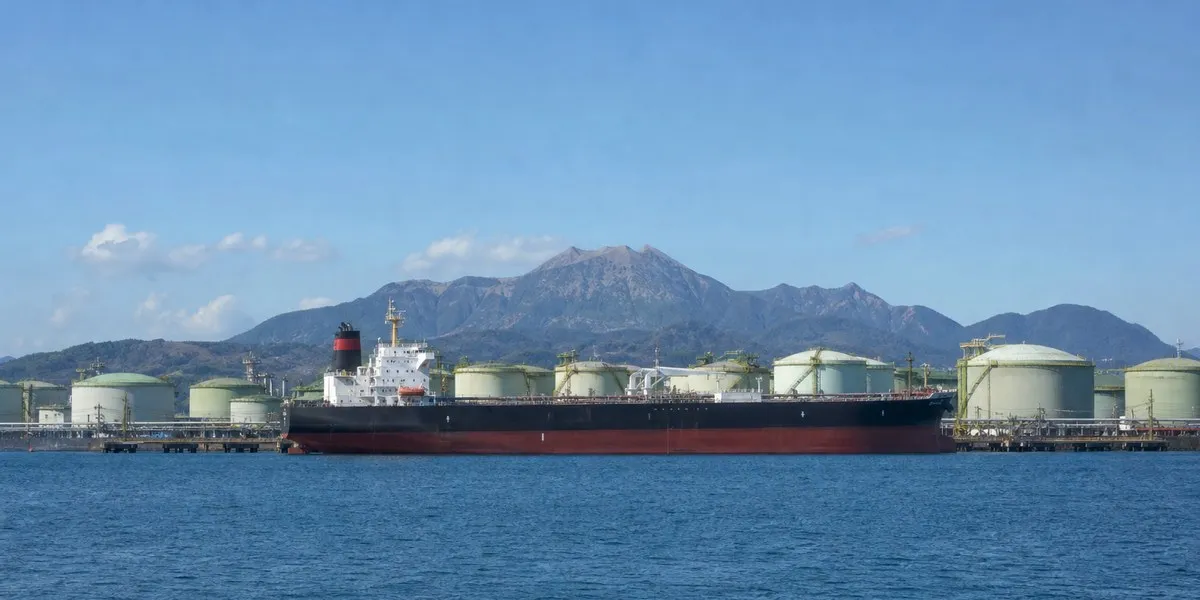
In Japan, the cost of transporting a cargo of crude oil on a VLCC supertanker from the US Gulf Coast has reached about $53 million, or $26–$28 per barrel. OilPrice reports. According to the publication, freight now accounts for about one-fifth of the value of an oil cargo.
Shortage of supertankers
The market lacks VLCCs — very large crude carriers capable of transporting about 2 million barrels per voyage. Vessels are spending longer at sea because routes are being extended as Asian buyers seek alternative supplies. In particular, Indian buyers are purchasing oil from Guyana and Brazil, and such voyages can take 30–40 days.
According to OilPrice, about 60 vessels transport oil through the Strait of Hormuz to the Gulf of Oman, where cargo is transferred to other tankers. Waiting for transshipment can take about 10 days, further reducing the available fleet. The short route through the strait to Fujairah or Sohar adds $15–$20 per barrel to the cost of oil.
Daily VLCC earnings on the Middle East–Asia route exceeded $1.2 million, compared with about $150,000 in February. Rates for transportation between the Middle East and China have doubled since the end of summer, the publication writes.
More current news is available on the UA.News Telegram channel Telegram.
Japan’s supplies and reserves
According to OilPrice, after the war between the US and Iran led to the closure of the Strait of Hormuz in March, the US became Japan’s largest oil supplier. In August, Japan imported 860,000 barrels per day from the US — 35% of total imports of 2.45 million barrels per day. In February, this figure was 65,000 barrels per day. Cargoes from the US travel around the Cape of Good Hope, and the journey takes an average of 50 days.
Saudi Arabia and the United Arab Emirates remain Japan’s next largest suppliers by volume, but their combined share of Japanese imports has declined to about 50%, according to the publication’s estimate. Before March, it stood at 80–90%.
Japan has also begun replenishing its state oil reserves. At the end of July, state reserves were estimated at about 182 million barrels. In August, a specialized committee of Japan’s Ministry of Economy, Trade and Industry approved a program to restore reserves to a level covering about 90 days of imports. According to OilPrice calculations, the country needs to replenish its stocks by approximately 48 million barrels to achieve this.




