
Skin biopsy helps diagnose mitochondrial diseases — News-Medical
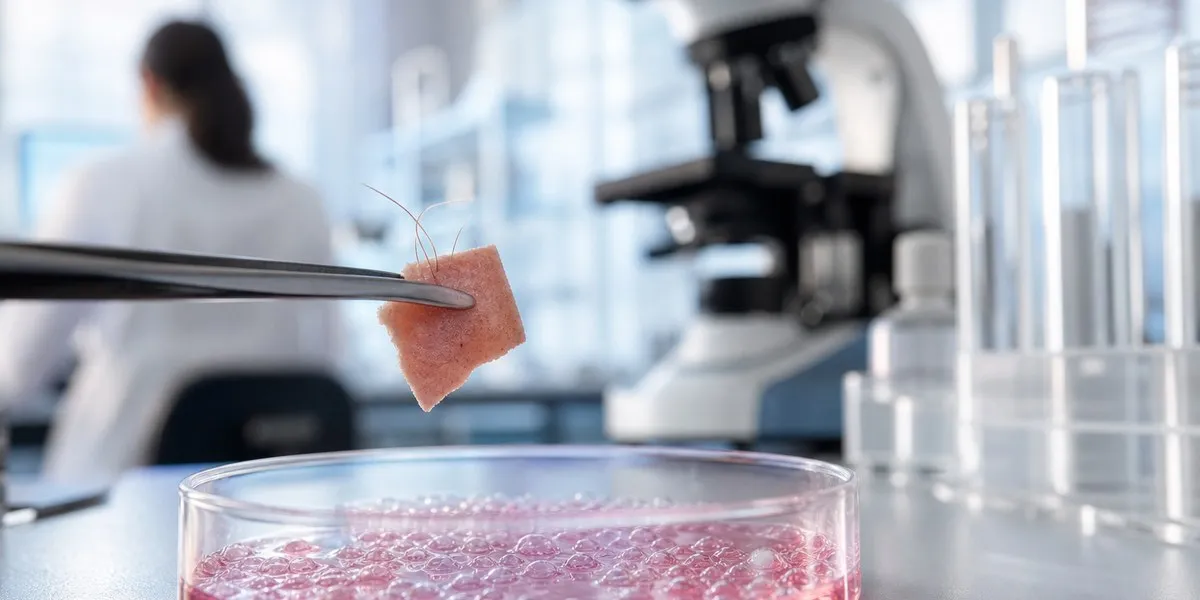
Researchers at Children's Hospital Colorado and the University of Colorado Anschutz Medical School in the United States concluded that a small skin biopsy can often provide data for diagnosing primary mitochondrial diseases without the need for more invasive procedures. As News-Medical reports, the study was recently accepted for publication in the journal EMBO Molecular Medicine.
Functional tests on cells
The scientists evaluated a set of functional laboratory tests that measure how mitochondria work inside cells. Mitochondrial diseases are a group of genetic disorders that affect the body's ability to produce energy. According to the data cited, such diseases occur in approximately one in 5,000 people and can affect several organs.
Samples from more than 30 medical centers in North America, Europe, Australia and New Zealand were used for the study. The authors tested how well the tests could detect mitochondrial diseases and distinguish patients with such disorders from people without them.
More current news is available on the UA.News Telegram channel Telegram.
An alternative to invasive procedures
The key finding was that fibroblasts — cells grown from a small skin sample — often provide the information needed to establish a diagnosis. This suggests that muscle or liver biopsies may not be needed in many cases.
Genetic testing, including whole-genome sequencing, is usually the first stage in examining patients with suspected mitochondrial disease. At the same time, it may yield uncertain results because of gene variants with unclear clinical significance. The article notes that existing genetic methods establish a definitive genetic cause in approximately 50–65% of cases.
The study was led by clinical biochemical genetics and metabolism specialist Johan van Hove and Marisa V. Friederich, scientific director of the Mitochondrial Laboratory at Children's Hospital Colorado. The work was supported by the U.S. National Institutes of Health through the North American Mitochondrial Disease Consortium, as well as by the foundations of Children's Hospital Colorado and the University of Colorado.




