
HIIT reduced fat and preserved lean mass in older adults — ScienceDaily
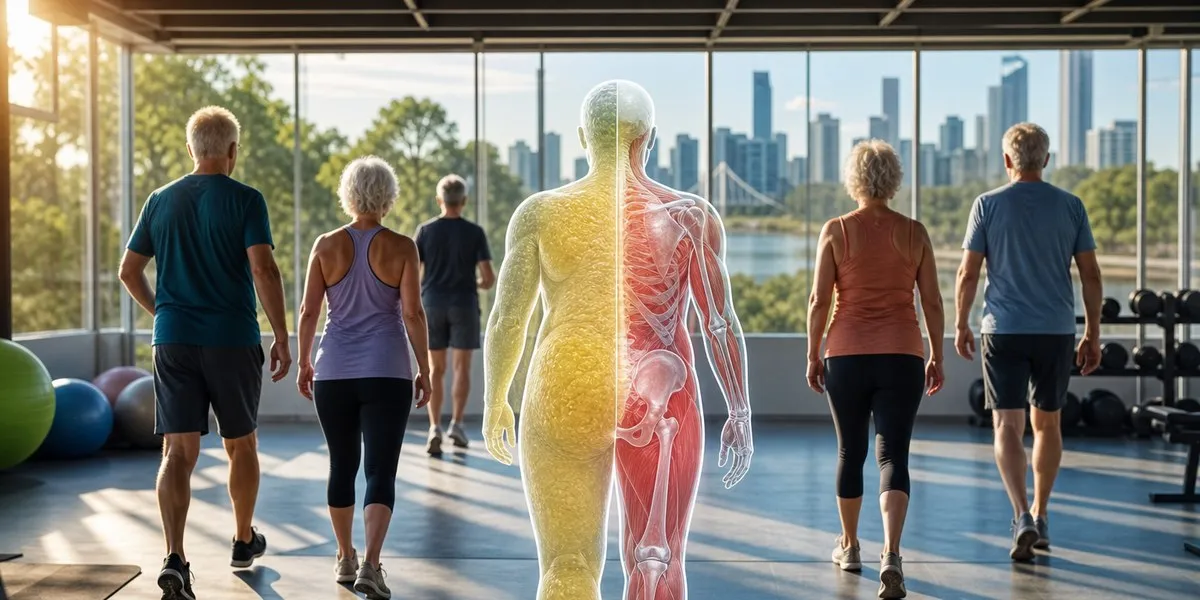
Australian researchers found that high-intensity interval training (HIIT) helped healthy older adults reduce fat mass while not losing lean mass. The study involved 123 residents of the Greater Brisbane region with an average age of 72 years. ScienceDaily reported the findings, citing a study published in the journal Maturitas.
Six months of training
For six months, participants attended 45-minute supervised gym sessions three times a week. They were assigned to high-intensity interval, moderate-intensity and low-intensity training groups. Body composition was assessed before the program began, after three months and after six months using a scan that determines the amount of fat and lean tissue.
High- and moderate-intensity exercise resulted in a more noticeable reduction in fat mass than low-intensity exercise. At the same time, a slight decrease in lean mass was recorded in the moderate-intensity group, while no such decrease was observed in the HIIT group.
More current news is available on the UA.News Telegram channel Telegram.
Changes in the abdominal area
Both more intensive regimens also improved indicators of fat tissue in the abdominal area. The original study found a reduction in visceral fat among participants in the high- and moderate-intensity groups. This type of fat accumulates deep in the abdominal cavity around internal organs and is associated with insulin resistance, cardiovascular and other metabolic disorders.
The study's author, physiologist Grace Rose of the University of the Sunshine Coast, noted that all three intensity levels produced moderate fat loss, but only HIIT preserved lean mass. At the same time, the researchers stressed that the recorded changes were relatively small, and their clinical significance compared with less intensive exercise is not unambiguous given measurement error.
The scientists also cautioned that the scan measured lean tissue rather than muscle strength directly. Lean mass includes not only muscles but also other tissues and water, so changes in this measure do not necessarily mean proportional changes in strength.




