
HSV-1 altered microglial function in mouse brains — ScienceAlert
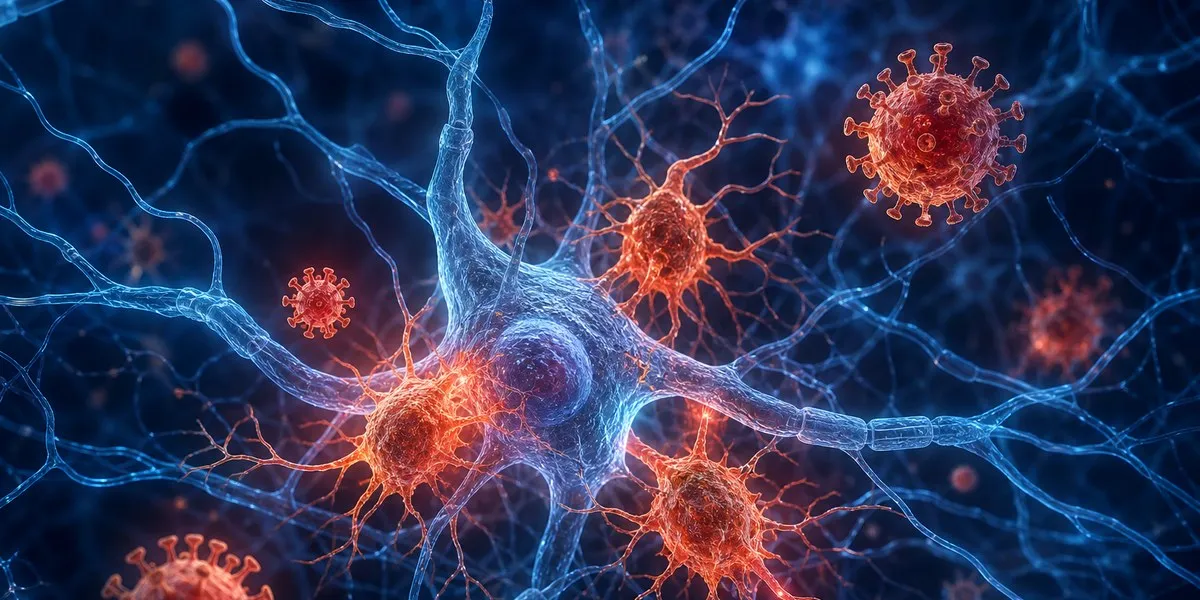
Infection with herpes simplex virus type 1 (HSV-1) altered the function of microglia — the brain’s immune cells — in mice. As ScienceAlert reports, researchers recorded an enhanced antiviral response in these cells alongside reduced activity of genes associated with maintaining normal brain function.
Immune cell response
Microglia constantly monitor the condition of neural tissue: they detect threats, remove dead cells and damaged tissue, and also participate in the formation of neuronal connections. In the experiment, mice were infected with HSV-1, and six days later their brains were examined using genetic analysis and imaging methods.
The virus was detected not throughout the brain, but in specific areas of the brainstem. Markers of microglial activation were also higher in these zones. The proportion of cells responding to interferon — signaling proteins that warn neighboring cells about infection — was more than 30 times higher in infected animals than in the control group.
More current news is available on the UA.News Telegram channel Telegram.
Possible link to neuroinflammation
At the same time, altered cells showed reduced expression of genes associated with monitoring the brain’s condition, its maintenance, and cellular communication. The study’s authors suggest that this may impair microglia’s ability to absorb cellular debris, remove neurotoxic factors, and limit protein accumulation.
The study was published in the journal PLOS Pathogens. Its results were obtained from a small number of mice that were euthanized after the experiment, so they do not prove the development of neurodegenerative diseases in animals or humans. The scientists note that it remains to be determined whether changes in the state of microglia persist after the infection ends and whether similar processes occur in humans.




