
Caffeine may worsen recovery during sleep — ScienceDaily
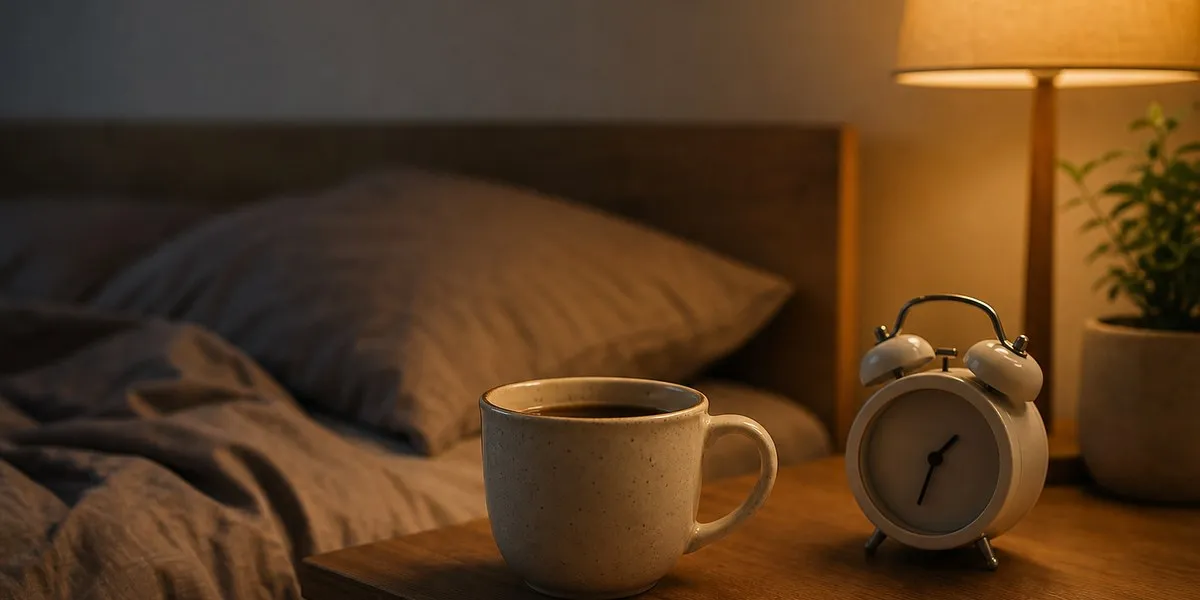
Caffeine may reduce the restorative quality of sleep, even if a person falls asleep at their usual time and spends eight hours in bed. This was reported by ScienceDaily, citing an explanation by Professor Donata Kurpas from the Department of Nursing at Wroclaw Medical University.
What brain activity shows
To assess sleep, scientists use electroencephalography, or EEG, which records the electrical activity of the brain. This method makes it possible to assess not only sleep duration, its stages and the number of awakenings, but also subtler changes in brain activity at night.
One important indicator is slow-wave activity. Slow waves are characteristic of deep sleep, which is associated with physical recovery, replenishment of energy reserves and maintenance of brain functions. According to Kurpas, caffeine can reduce this activity and shift the EEG pattern toward a more “alert” state of the brain.
More current news is available on the UA.News Telegram channel Telegram.
Because of this, a person may have no noticeable difficulty falling asleep, may not remember nighttime awakenings and may subjectively believe they had a good rest. At the same time, neurophysiological recordings may register fewer signs of deep sleep.
Response depends on the individual
The effect of caffeine on sleep differs significantly between people. It can be influenced by genetic characteristics, metabolic rate, age, stress and chronic fatigue. For some people, not only coffee before bedtime may matter, but also the total amount of caffeine consumed during the day, the time available to process it before night and even caffeine consumed earlier in the day.
Caffeine can temporarily increase alertness and reduce the feeling of fatigue. However, if it simultaneously worsens nighttime recovery, a cycle may develop: the next day, a person feels more tired, consumes more caffeine, and sleep quality declines again. The professor emphasizes that the effect depends on the dose, time of consumption, lifestyle, sleep quality, stress level and individual sensitivity.


