
University of Southern Denmark committee approves study in Guinea-Bissau — The Guardian
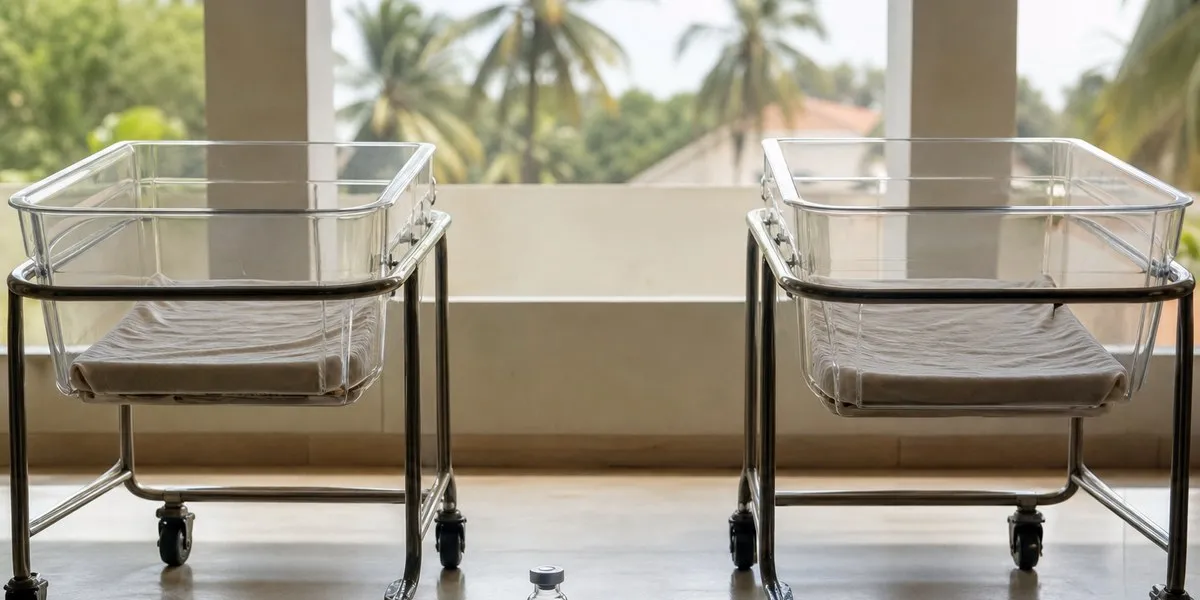
The ethics committee of the University of Southern Denmark has approved a hepatitis B vaccination study among newborns in Guinea-Bissau. The trial plans to involve 14,000 infants: half of them will receive the vaccine immediately after birth, while vaccination for the other half will be delayed until the first six weeks of life. This was reported by The Guardian.
Changes to the protocol
Under the updated protocol, mothers will be tested for hepatitis B before giving birth. Infants born to women who test positive will be vaccinated and will not be included in the study. At the same time, children of mothers with a negative test result may be enrolled in the trial. The updated protocol itself has not been publicly released.
In Guinea-Bissau, about 18% of the adult population are carriers of the hepatitis B virus. The infection can be transmitted not only from mother to child during childbirth, but also through contacts within the family or community. Infection in the first year of life significantly increases the risk of chronic disease and liver cancer.
More current news is available on the UA.News Telegram channel Telegram.
Criticism of the decision
One of the two reviewers who presented the study to the committee, Stig Børresen Hansen, resigned in protest. He said that children are effectively being entered into a lottery to test a hypothesis, while those who do not receive a vaccine dose at birth may face a risk of infection. Three other committee members also resigned over ethical objections.
Henrik Støvring, a professor of statistics and pharmacometrics at Aarhus University, said that decades of research show the vaccine's benefits, so dividing children into vaccinated and unvaccinated groups is unfair. The Africa Centres for Disease Control and Prevention, which opposed the trial, reported ongoing negotiations between the United States and Guinea-Bissau.
According to the publication, the US Centers for Disease Control and Prevention reportedly allocated $1.6 million for the project in this year's budget. These funds are to be supplemented by private funding from the Pershing Square Foundation and the Bluebell Foundation. US Health Secretary Robert F. Kennedy Jr. had previously publicly praised the Danish researchers and presented the US-backed study as part of the Donald Trump administration's approach to vaccination.




