
Ogun steps up surveillance after Ebola case in Federal Capital Territory — Premium Times Nigeria
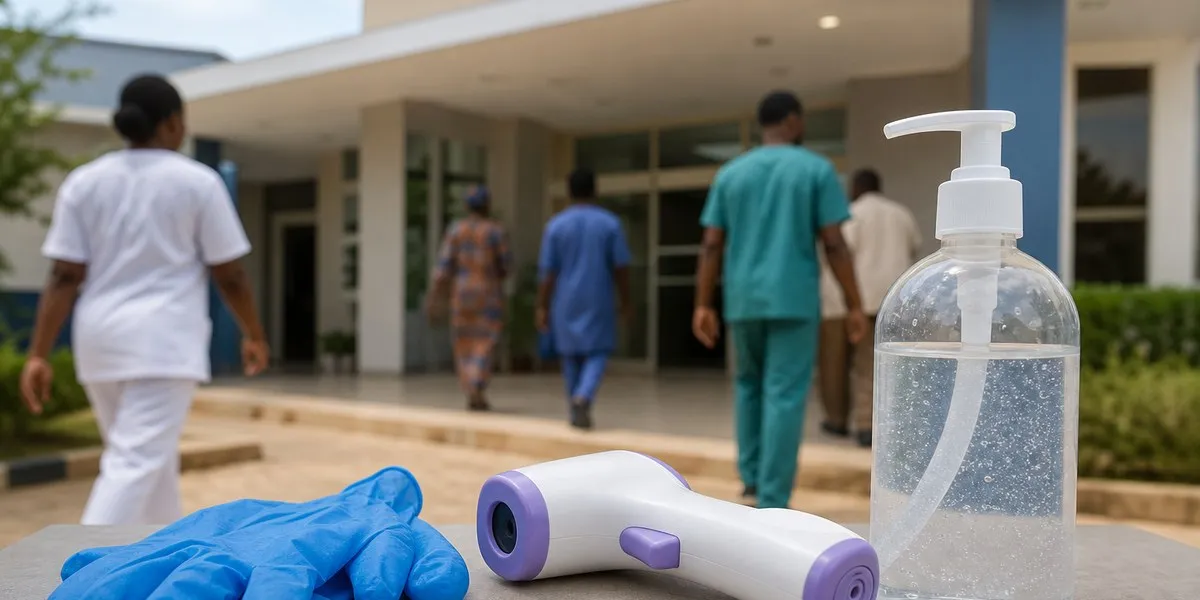
The government of Nigeria’s Ogun State has stepped up epidemiological surveillance and preparedness measures after federal authorities announced an Ebola case in the Federal Capital Territory. As of October 21, 2026, no cases of the disease had been recorded in the state, Premium Times reports.
The state’s Commissioner for Health, Tomi Coker, said Ogun has been on heightened alert since March 2026, when Ebola was announced in the Democratic Republic of the Congo. According to her, authorities identified 111 people who arrived from high-risk countries, monitored their condition, and discontinued further observation after the required surveillance period ended.
Preparation of medical services
The State Public Health Emergency Operations Centre is coordinating preparedness and response efforts. Authorities have also trained disease surveillance and notification officers, port health workers at points of entry, healthcare workers, health educators, and community informants.
More current news is available on the UA.News Telegram channel Telegram.
The state adapted national guidelines and response protocols, while also strengthening public awareness and infection prevention and control measures in healthcare facilities. Healthcare workers in public and private institutions were urged to promptly identify and isolate suspected cases and immediately notify epidemiological surveillance authorities.
Advice for residents
Tomi Coker urged residents not to panic, to rely only on information from official health authorities, and not to spread unverified reports. She noted that early Ebola symptoms may resemble other common illnesses: fever, severe weakness, fatigue, headache and muscle pain, sore throat, vomiting, diarrhoea, and abdominal pain. In some cases, unexplained bleeding or bruising may occur.
According to the commissioner, symptoms may appear two to 21 days after exposure. Ebola is transmitted through direct contact with the blood or other bodily fluids of a person who has already developed symptoms, the body of someone who died from the disease, or objects contaminated with such fluids. Residents were advised to wash their hands regularly, avoid contact with bodily fluids, and contact health authorities in the event of possible exposure to the virus without waiting for symptoms to appear.




