
At a factory in Dhaka, workshop temperatures sometimes exceeded 40°C — Mongabay
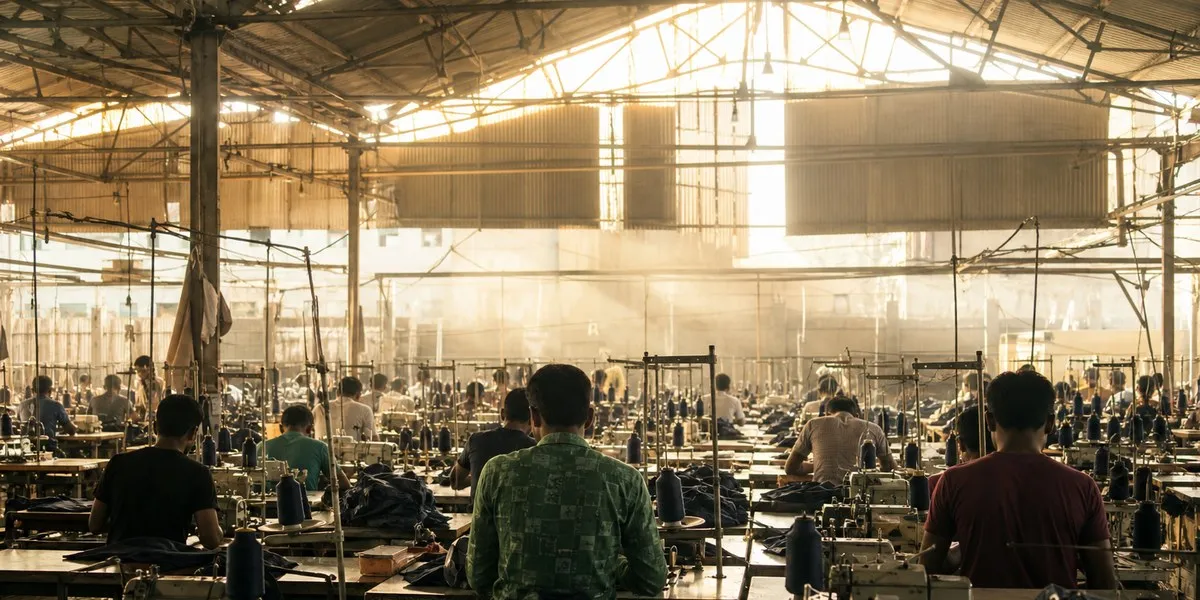
At a garment factory in Dhaka, Bangladesh, peak indoor temperatures exceeded 35°C on 37% of observation days during a study, and in the hottest months sometimes rose above 40°C. As Mongabay reports, garment industry workers complain of symptoms they associate with heat in the workplace.
Bangladesh's garment industry employs about 4.2 million people, around 60% of whom are women. According to the World Bank, the country's maximum temperature has risen by about 1.1°C since 1980, and in 2024 Bangladesh experienced an uninterrupted 30-day heat wave.
Worker complaints and injuries
A 2025 qualitative study at two factories in Dhaka found that workers linked workplace heat to headaches, dizziness, excessive sweating, fatigue and nausea. Factory medical staff also reported an increase in injuries during hot months, including needle pricks and falls.
Study co-author Aaron Bach, a senior lecturer at Griffith University, noted that factory medical stations mainly respond to acute cases and do not screen for chronic conditions that heat may worsen. As a result, the cumulative health impact of repeated overheating on workers may not be captured in statistics.
More current news is available on the UA.News Telegram channel Telegram.
Breaks and cooling
Researchers emphasize that the danger depends not only on temperature, but also on humidity, air movement, radiant heat, physical exertion and shift length. According to Bach, the highest risks are faced by workers on upper floors beneath uninsulated roofs, people doing physically demanding or heat-generating work, and those working during hot afternoon hours from April through June.
Climate Rights International researcher Kara Schulte said that production demands and workplace rules may prevent workers from drinking water, using the restroom or taking short breaks. According to an estimate by Cornell University's Global Labor Institute, heat stress was associated with a roughly 4.1% reduction in one Bangladeshi factory's annual revenue.
Experts propose introducing mandatory heat-protection standards: work-rest ratios depending on conditions, thresholds for stopping work, ventilation, access to clean water and the ability to take breaks. Technical measures include reflective roof coatings, insulation and improved ventilation.




