
Excess RNA may suppress energy production in cells — ScienceAlert
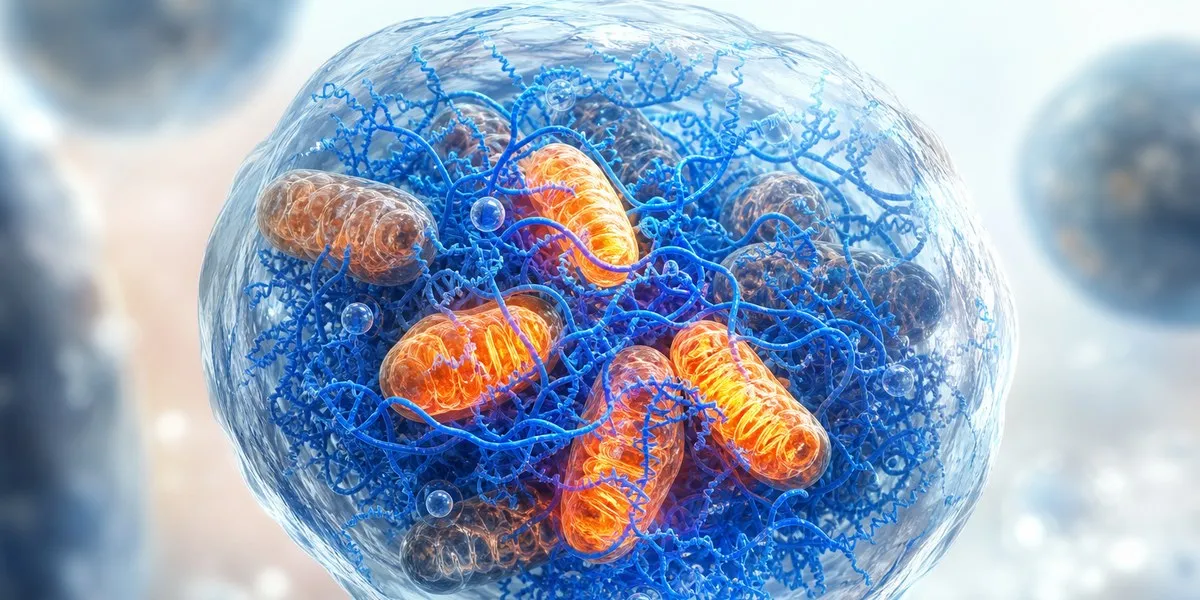
Researchers at Texas A&M University found in experiments on cultured human cells that excess RNA can damage mitochondria and limit cellular energy production. ScienceAlert reports on the findings, which were published in the journal PNAS.
RNA, or ribonucleic acid, is involved in converting genetic information into proteins needed for cells to function. Normally, cells maintain a balance between RNA production and breakdown. This balance can be disrupted by viral infections, aging, certain types of cancer, and neurodegenerative diseases.
Experiments with the virus and RNA
The scientists added vaccinia virus to human cells and altered chemical conditions to promote RNA accumulation. According to the researchers, this virus normally boosts both RNA production and breakdown, which helps it survive and evade detection.
In separate experiments, the researchers introduced RNA without infecting the cells. They examined the effects of messenger RNA, or mRNA, which is involved in protein synthesis, as well as double-stranded RNA, which is associated with viruses and can trigger potentially harmful immune responses.
More current news is available on the UA.News Telegram channel Telegram.
Reduced oxygen consumption
The condition of mitochondria was assessed by the cells' oxygen consumption. Excess RNA was associated with a reduction in this indicator and lower energy production. This response occurred before the immune system was activated, indicating that it was not caused by the body's usual defensive response.
The team also isolated mitochondria and added RNA to them, after which they observed damage. The authors suggest that negatively charged RNA may accumulate near mitochondria and disrupt the electrical balance needed for energy production, although the exact mechanism has yet to be established.
The next step should be studies in living organisms. Understanding this process may be useful for developing and optimizing RNA vaccines and RNA-based therapies, including approaches targeting cancer cells.




