
Pennsylvania issues clinical alert over congenital measles — Ars Technica
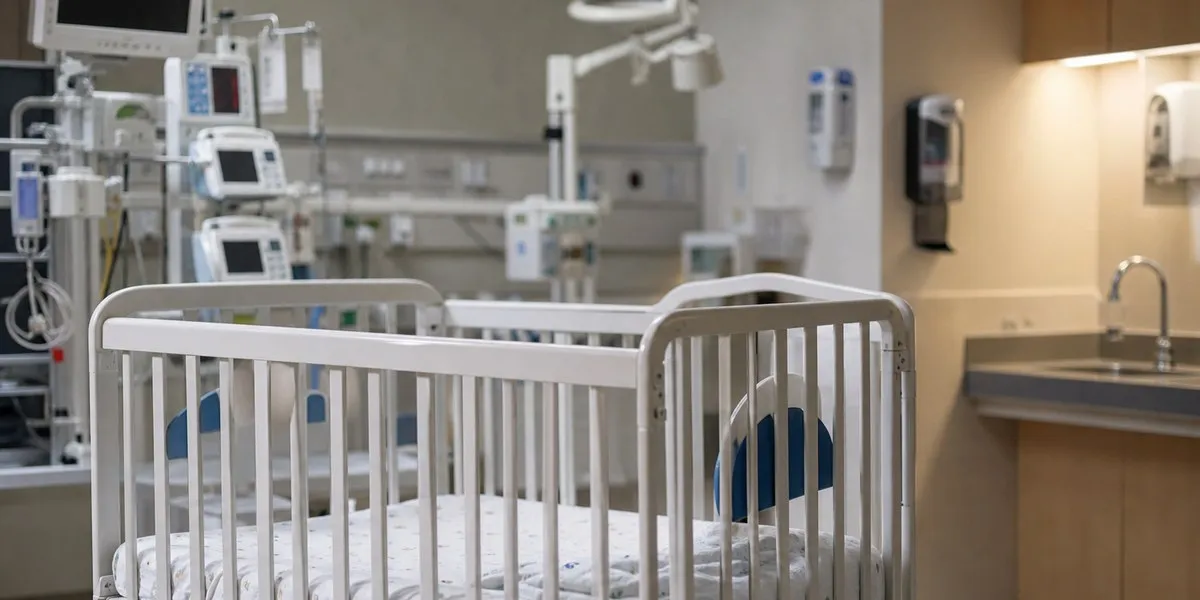
The Pennsylvania Department of Health in the United States has issued a clinical alert for medical professionals due to a rise in measles cases during pregnancy and related cases of congenital measles in newborns. Before the current outbreak, such cases had not been recorded in the United States for decades, Ars Technica reports.
Scale of the outbreak
As of October 19, Pennsylvania had recorded 1,286 measles cases in 42 counties since the beginning of the year. Of these, 247 people were hospitalized. Six deaths were reported during the outbreak, although the latest of these cases is still being reviewed by the state health department before being added to official statistics.
In early October, The 19th reported 53 cases of measles during pregnancy. At least one case of congenital measles resulted in death: a newborn boy died immediately after birth while his mother was severely ill with measles.
More current news is available on the UA.News Telegram channel Telegram.
Risks for pregnant women and infants
Measles during pregnancy increases the risk of hospitalization, pneumonia, the need for oxygen support or mechanical ventilation, and death. The infection is also associated with a higher risk of miscarriage, stillbirth, low birth weight, and premature birth.
The measles, mumps, and rubella vaccine is not recommended during pregnancy because it is a live attenuated vaccine. Pregnant women without measles vaccination or a previous infection who have been exposed to the virus are advised to receive intravenous immunoglobulin within six days of exposure.
The virus can be transmitted to the fetus in utero or infect a child during or immediately after delivery. In infants, congenital measles may manifest as fever, jaundice, rash, low platelet levels, pneumonia, and neurological complications. Children who survive the acute infection require long-term monitoring due to the risk of immune amnesia and subacute sclerosing panencephalitis, a progressive fatal neurological disease that can occur years after infection.




