
Families call for ban on cameras in England's psychiatric wards — The Guardian
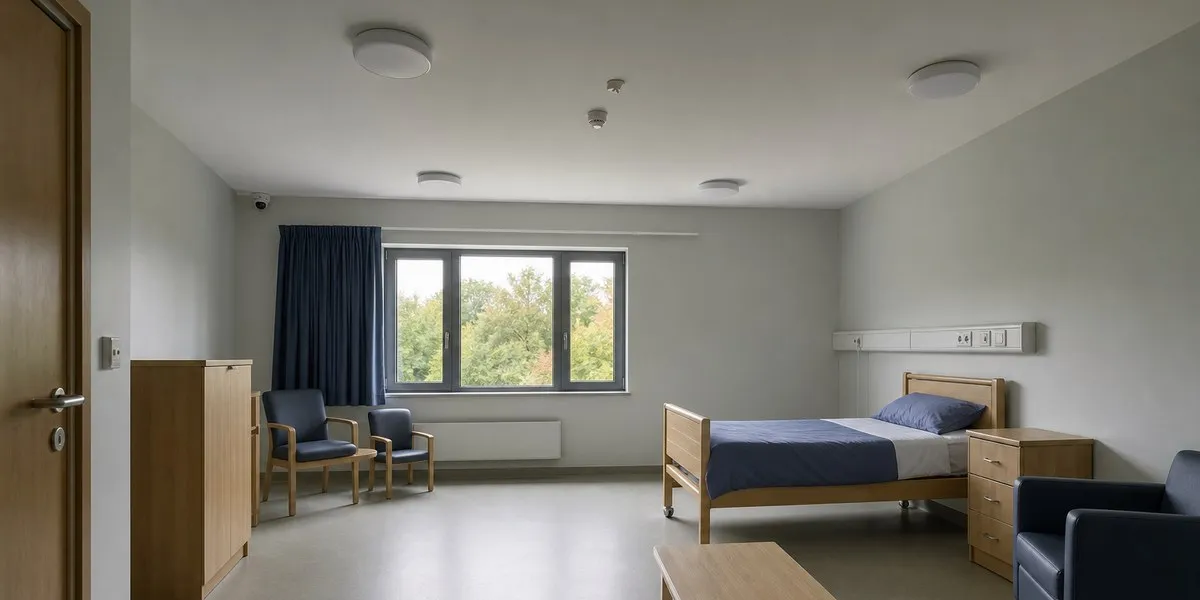
In the United Kingdom, families of patients who died in psychiatric units in England have called for an end to the use of the Oxevision video monitoring system in wards across the country. Their lawyers told hearings of the Essex mental health deaths inquiry that the continued use of the technology puts patients' lives at risk, The Guardian reports.
The Oxevision system, which uses infrared cameras, is deployed in around half of England's psychiatric units. The inquiry was told that over two years, five patients either died by suicide or died in unexpected circumstances while being monitored by the system at Essex Partnership University NHS Foundation Trust.
Calls to suspend use of the system
Lawyer Peter Mant, representing more than 70 families, said the improper use of the technology had significantly contributed to harm to patients and, in some cases, to their deaths. His clients include the family of 16-year-old Elise Sebastian, who died by suicide in 2021 after staff silenced an Oxevision alarm.
Brenda Campbell, representing other families, called on the inquiry chair, Kate Lampard, to recommend stopping the use of Oxevision in psychiatric wards and patients' bedrooms across the country. She said the system's adverse effects had affected detained, traumatised and neurodivergent patients most, while no regulator had accepted responsibility for its use.
More current news is available on the UA.News Telegram channel Telegram.
Safety and privacy concerns
Mant said there had been confusion among medical staff, patients and hospital managers about the rules governing Oxevision's use. According to him, remote monitoring too often replaced direct observation of patients, resulting in missed opportunities for important therapeutic contact with staff.
Campbell also highlighted the cameras' intrusion into patients' privacy. Psychiatric care expert Jill Archibald, the hearings were told, had noted that cameras could intensify paranoia, while some patients shouted at the device. Earlier this year, the information commissioner launched a separate investigation into Oxevision over data protection concerns.
Last week, Lio's head of patient safety, Laura Cozens, told the hearings that the available evidence should not be interpreted as proof that Oxevision is ineffective, unsafe or without benefit. She said the technology had helped staff intervene in critical incidents. Kate Lampard is considering issuing interim recommendations, including on the system's use, if she considers this necessary to prevent further deaths.




