
South Africa acknowledges disruptions in medicine supplies to public clinics — TimesLIVE
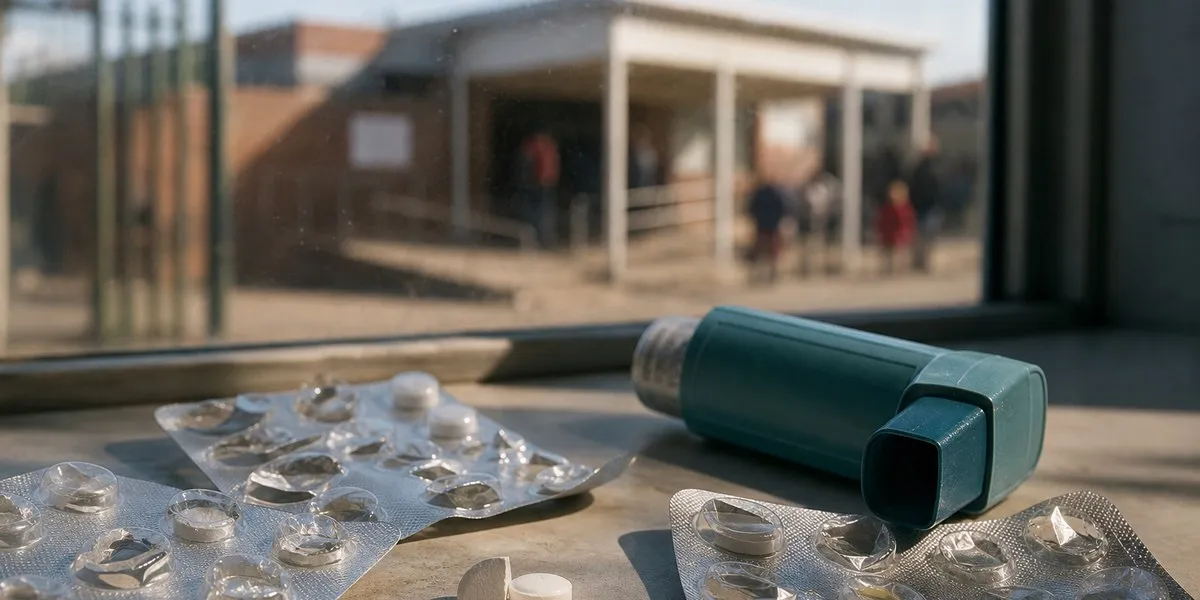
The Gauteng Department of Health in South Africa has acknowledged problems with supplying certain medicines to public healthcare facilities. Patients at two clinics in the Mamelodi area of Pretoria said that due to shortages of chronic disease medications, they are forced to buy drugs with their own money, limit their tablet intake, or seek other ways to manage their health condition, TimesLIVE reports.
Patients report medicine shortages
Esther Chauke said that her 62-year-old mother and 52-year-old aunt, who receive treatment for high blood pressure at the Mamelodi East clinic, were unable to receive a month’s supply of medication. According to her, nurses advised them to split tablets in half because of an insufficient quantity of medicines. Chauke expressed concern that tablets cannot be split with the required precision and also worried about her mother’s safety when there is no nurse nearby to help her take the medication.
Another patient, who asked not to be named, spoke about difficulties obtaining asthma medication. Sometimes she has to buy medicines at a local pharmacy for about 450 rand and stock up in advance. She also said that submitting complaints through the clinic’s suggestion box had produced no results.
More current news is available on the UA.News Telegram channel Telegram.
Asthma patient Lerato Marumo said she had previously been hospitalized after the clinic did not have the necessary medication during an asthma attack. Nurses took her to another clinic for further treatment. After that, she began buying tablets in reserve so as not to be left without medication.
Department’s explanation
Gauteng Department of Health spokesperson Steve Mabona explained the problems by changes in supply contracts, supplier delays, lengthy procurement procedures, a limited number of suppliers, and other difficulties in the pharmaceutical supply chain. According to him, the department monitors stocks through the Stock Visibility System and applies a protocol that provides for alternative pack sizes, dosages, or clinically acceptable substitutes in accordance with approved treatment guidelines.
Mabona noted that the temporary unavailability of a particular brand, dosage, or package does not always mean a complete absence of treatment. The department also said it was working with the national authority, suppliers, and healthcare facilities to minimize interruptions in treatment.




