
Swedish study finds decline in physical capacity from mid-30s — ScienceDaily
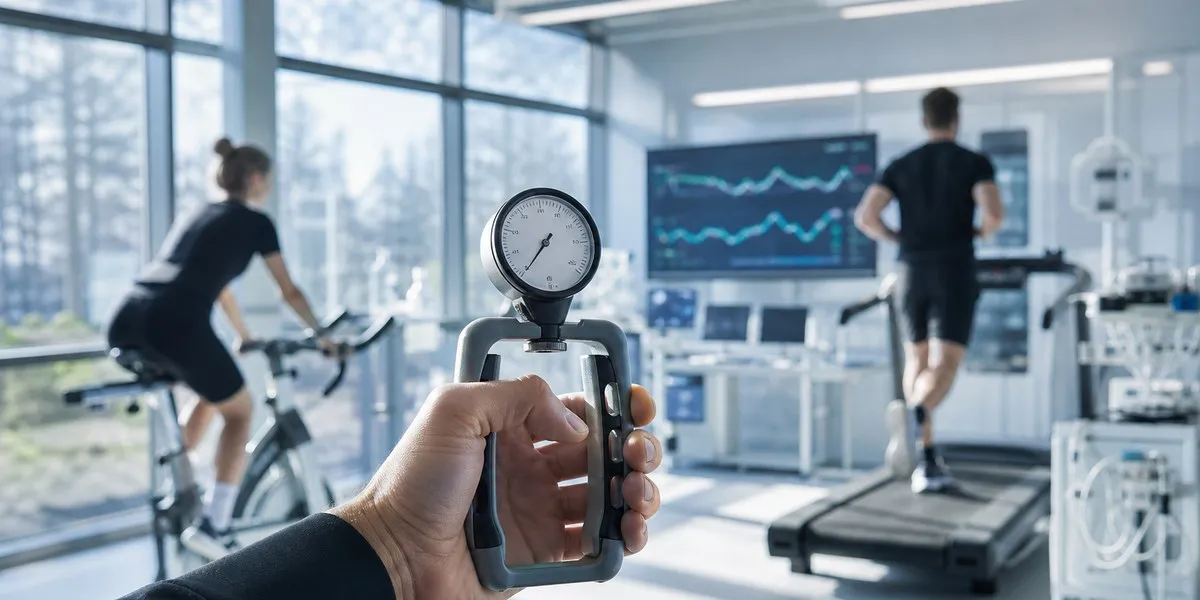
Researchers at the Karolinska Institute in Sweden tracked the physical capacity of 427 men and women for 47 years and found that average indicators began to decline from around the mid-30s. As ScienceDaily reports, the study included people born in 1958, who were examined from ages 16 to 63.
Peak endurance occurred between ages 26 and 36
The Swedish Physical Activity and Fitness Study differed from many previous studies in that researchers did not compare separate age groups at a single point in time, but repeatedly assessed the same participants over decades.
Specialists measured aerobic fitness, muscular endurance, and muscular power — the ability to rapidly generate force, needed in particular for jumping and climbing stairs. Aerobic fitness and muscular endurance generally reached their highest levels between the ages of 26 and 36. Explosive muscular power peaked even earlier in some participants.
At first, the decline in indicators was moderate, but it accelerated with age. By age 63, average results across different measurements were 30–48% lower than peak values. This trend was observed among both men and women, although individual fitness levels differed.
More current news is available on the UA.News Telegram channel Telegram.
Physical activity helps maintain fitness
Regular physical activity did not completely eliminate the age-related decline in physical performance, but it affected how well participants maintained their capabilities. People who became more physically active in adulthood improved their physical capacity indicators by approximately 5–10%.
Those who were active during adolescence also had better indicators of fitness, endurance, and muscular power throughout adult life. Study author Maria Westerstol noted that physical activity can slow the loss of physical performance, although it cannot stop it completely.
Scientists are still studying the mechanisms of this process. Among the possible factors, they are considering age-related changes in muscle cells, the nervous system, and the body's ability to produce energy. The next stage of observations is planned for when participants turn 68.




