
Toothbrush that generates a charge while brushing created — Live Science
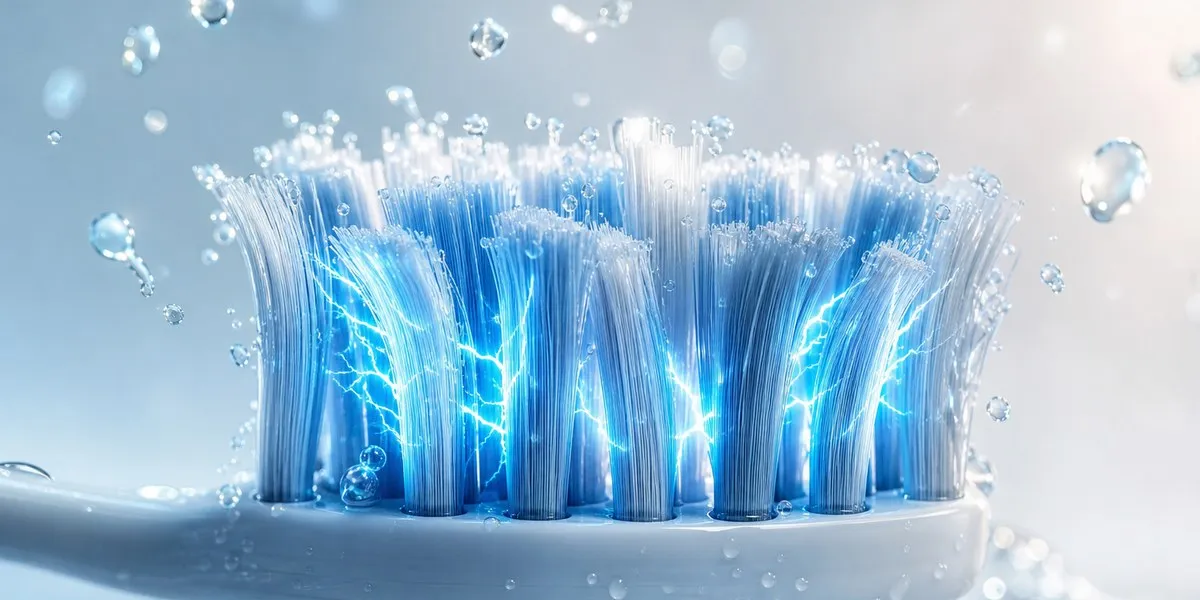
Researchers have created a toothbrush with bristles that generate an electric charge while brushing teeth. In laboratory tests and a three-month study involving 115 adults, the brush reduced plaque, gum inflammation and bleeding compared with conventional nylon brushes, Live Science reports.
How the bristles work
The bristles of the experimental brush were made from polyvinylidene fluoride, a plastic that generates electricity when bent. Such materials are called piezoelectric. When the bristles deform during brushing, the charge triggers chemical reactions in water and saliva, producing reactive oxygen species. These highly reactive molecules can damage bacterial cells.
In the laboratory, electrified bristles killed more than half of Streptococcus mutans bacteria, which contribute to tooth decay. By comparison, nylon bristles killed 9% of these bacteria. The new brush reduced levels of Porphyromonas gingivalis, which is associated with gum disease, by up to 78%, whereas conventional brushes reduced them by less than 8%.
More current news is available on the UA.News Telegram channel Telegram.
Plaque tests and human participation
Researchers also grew human dental plaque on the enamel of cow teeth. The new brush removed more than 99% of the bacterial biofilm and outperformed a conventional nylon brush. When an antioxidant that neutralizes reactive oxygen species was added to the experiment, the device's antibacterial effect largely disappeared.
In the clinical trial, participants with gum inflammation or tooth decay were randomly assigned to two groups. For three months, they used either the new brush or a traditional brush with nylon bristles twice a day. At the end of the study, the group using piezoelectric bristles had less plaque, inflammation and gum bleeding. Plaque samples also contained fewer bacteria associated with oral diseases and more beneficial bacteria.
Further testing is needed
During a simulation of three months of use, the bristles retained their structure and electrical properties. Mouse cells grown in the laboratory showed no damage after repeated contact with the material, and brushing the enamel of cow teeth did not increase its roughness. At the same time, these tests cannot conclusively establish the safety of long-term use of the brush by people. Oral microbiology specialist Nicholas Jakubovics, who was not involved in the work, stressed the need for larger and more convincing clinical studies.




