
UK discovers 18 new bacterial species in prostate cancer data — News-Medical
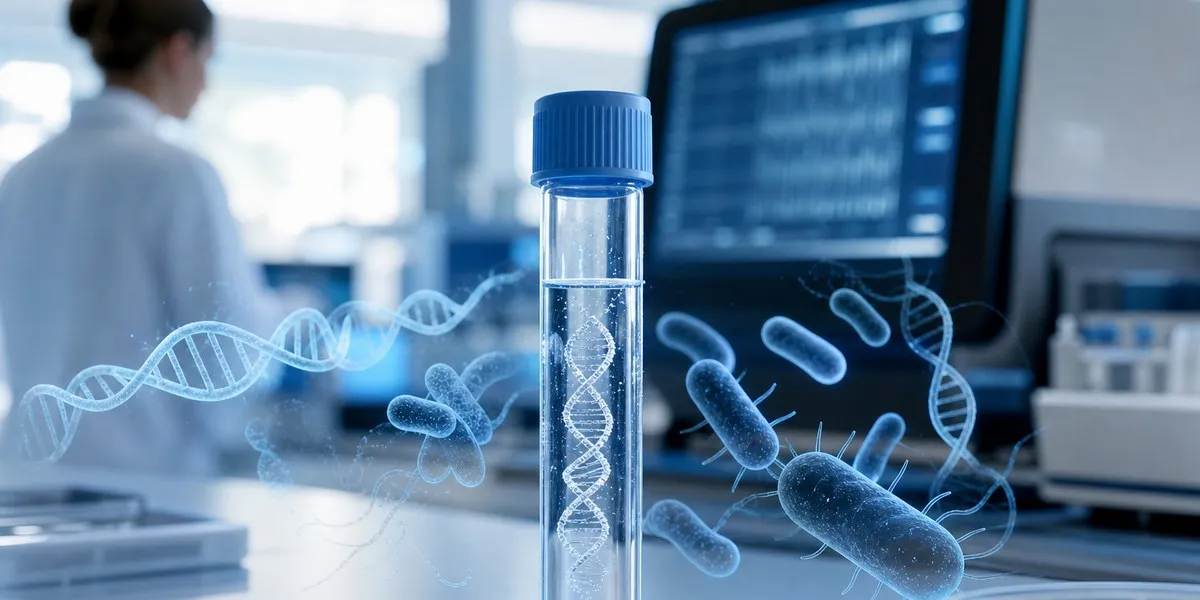
In the United Kingdom, researchers at the University of East Anglia reconstructed the genomes of 18 previously undescribed bacterial species from sequencing data of patients with prostate cancer. Most of the identified microorganisms originated from the oral cavity, including representatives of the genera Porphyromonas and Treponema, News-Medical reports.
Data previously discarded
The team analyzed 2,176 sequencing datasets collected by the international Pan Prostate Cancer Group consortium. The scientists reconstructed 249 near-complete bacterial genomes in data from 194 patients. Of these, 24 genomes did not correspond to any previously described species.
When tumors or blood samples are sequenced, some DNA fragments do not match the human genome. Such data are usually filtered out as noise, but this time the scientists used metagenomic assembly to reconstruct bacterial genomes from these fragments. For 16 new organisms, the team proposed provisional scientific names, including Candidatus Porphyromonas leptis, Candidatus Treponema oralis, and Candidatus Nanosyncoccus prostatocharitus.
More current news is available on the UA.News Telegram channel Telegram.
A causal link has not yet been established
The researchers emphasize that they do not claim that these bacteria can cause prostate cancer. At the same time, the obtained genomes may help create specific DNA tests, grow the microorganisms in the laboratory, and separately investigate their possible link to an aggressive course of the disease.
Previously, the team reported an association between a group of anaerobic bacteria, some of which originate from the oral cavity, and more than twice the likelihood of prostate cancer progression. The new study also identified probable culture conditions for the detected microorganisms and developed a validated DNA test for the precise detection of one of the species. The study was published in the journal npj Biofilms and Microbiomes.




