
In Pakistan, AI may detect hypertensive crisis risk 72 hours ahead — News-Medical
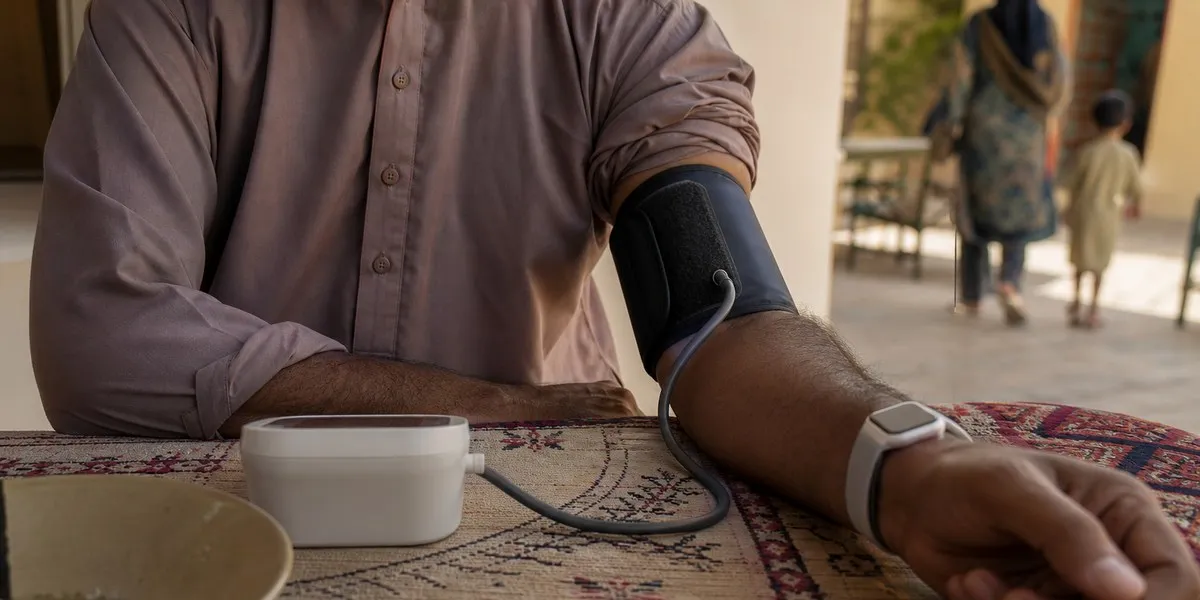
In Pakistan, artificial intelligence that analyzed data from a portable upper-arm blood pressure monitor and a wrist-worn device may have detected an elevated risk of a hypertensive crisis three days before it occurred. These preliminary results of a study involving patients at one hospital in Sindh province are scheduled to be presented at the American Heart Association’s Scientific Sessions 2026 in Chicago on November 6–9, News-Medical reports.
The study involved 4,190 people aged 40 to 85 with stage 2 hypertension — blood pressure of at least 140/90 mm Hg. The participants’ average age was 62.4 years, and 46% were women. Monitoring lasted from January 2025 to January 2026.
What data the algorithm analyzed
Participants used a portable cuff-based blood pressure monitor that repeatedly measured their pressure during the day and at night, including during daily activities and sleep. They also wore a wrist device with optical sensors to track cardiovascular signals.
The algorithm analyzed 47 indicators, including nighttime blood pressure decline, its rise after waking, changes in pressure over time, heart rate, and heart rate variability. If the model predicted a high risk, a doctor received an alert and could contact the patient, assess symptoms, and adjust treatment if necessary.
More current news is available on the UA.News Telegram channel Telegram.
A hypertensive crisis in the study was defined as a sharp increase in blood pressure above 180/120 mm Hg accompanied by acute target-organ damage.
Results and limitations
Over 12 months, 418 hypertensive crises were recorded in 312 participants, or about 7% of the group. Among people for whom the system issued a positive warning, about 32% experienced a crisis. At the same time, 97.4% of participants without such an alert did not experience crises.
Among people whose blood pressure did not decline during sleep, the odds of an approaching crisis were nearly five times higher. A rise in blood pressure after waking of more than 35 mm Hg compared with nighttime readings was associated with nearly fourfold higher odds of a crisis.
In the group where doctors received alerts and adjusted medications within 24 hours, the number of hypertensive crises was about 61% lower, and emergency department visits were 45% lower, than among people without timely intervention after an alert. The authors stressed that the findings should be verified in different patient groups and healthcare settings, as all participants received care at one hospital in Pakistan.




